
What is a Bone Cutter?
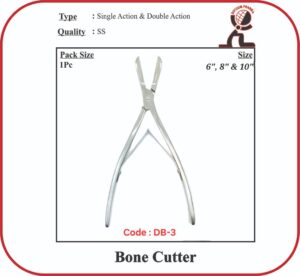
Bone cutters are specialized surgical instruments designed to cut through hard tissues like bone during orthopedic procedures. They are essential tools in surgeries involving bone shaping, removal, or preparation for implants.
Why Bone Cutters Are Crucial in Orthopedic Surgery?
Bone cutters play a key role in surgeries such as joint replacements, fracture repair, and bone grafting. Surgeons rely on their strength, precision, and ergonomic design to:
-
Make clean, accurate cuts
-
Minimize tissue trauma
-
Ensure faster patient recovery
-
Reduce surgery time
Design Features of a Surgical Bone Cutter
Modern bone cutters are crafted from high-grade stainless steel to ensure durability and sterilization. Key features include:
-
Curved, sharp blades for accurate cutting
-
Ergonomic handle for grip and control
-
Spring mechanism for reduced hand fatigue
-
Rust-resistant material for longevity
Applications Across Medical Fields
Bone cutters aren’t limited to one specialty. They are used in:
-
Orthopedic surgeries
-
Dental surgeries (like maxillofacial procedures)
-
Veterinary bone surgeries
-
Neurosurgery for skull openings
Safety and Maintenance Tips
To maintain performance and safety:
-
Always sterilize before and after use
-
Regularly inspect for dullness or damage
-
Store in a clean, dry environment
-
Sharpen or replace blades as needed
Final Thoughts
Instruments like bone cutters may look simple, but their impact on surgical outcomes is profound. By ensuring precision and reducing surgical trauma, these tools help pave the way for better patient care and quicker healing.