Artificial Vaginal Set
Description:- The Artificial Vagina Set is a complete veterinary kit designed for the collection of semen from male animals for artificial insemination (AI) purposes. It includes all components required to simulate the natural mating process in a controlled, hygienic environment.
This set is primarily used in veterinary reproductive programs, research centers, semen collection stations, and AI clinics.
Description
Included Components
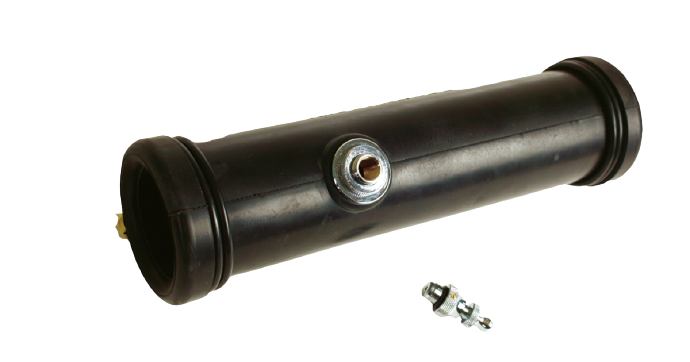
- Outer Casing (Rigid Tube)
- Inner Rubber/Silicone Liner
- Water Jacket or Pressure Chamber
- Semen Collection Cone
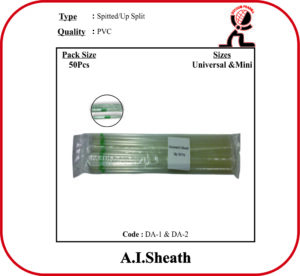
- Semen Collection Tube (Sterile)
- Adjustable Valve or Clamp
- Mounting Support (optional for some models)
- Carrying/Storage Case
Specifications
- Material: Medical-grade rubber, silicone, plastic, and stainless steel.
- Temperature Range: 42°C–45°C internal simulation.
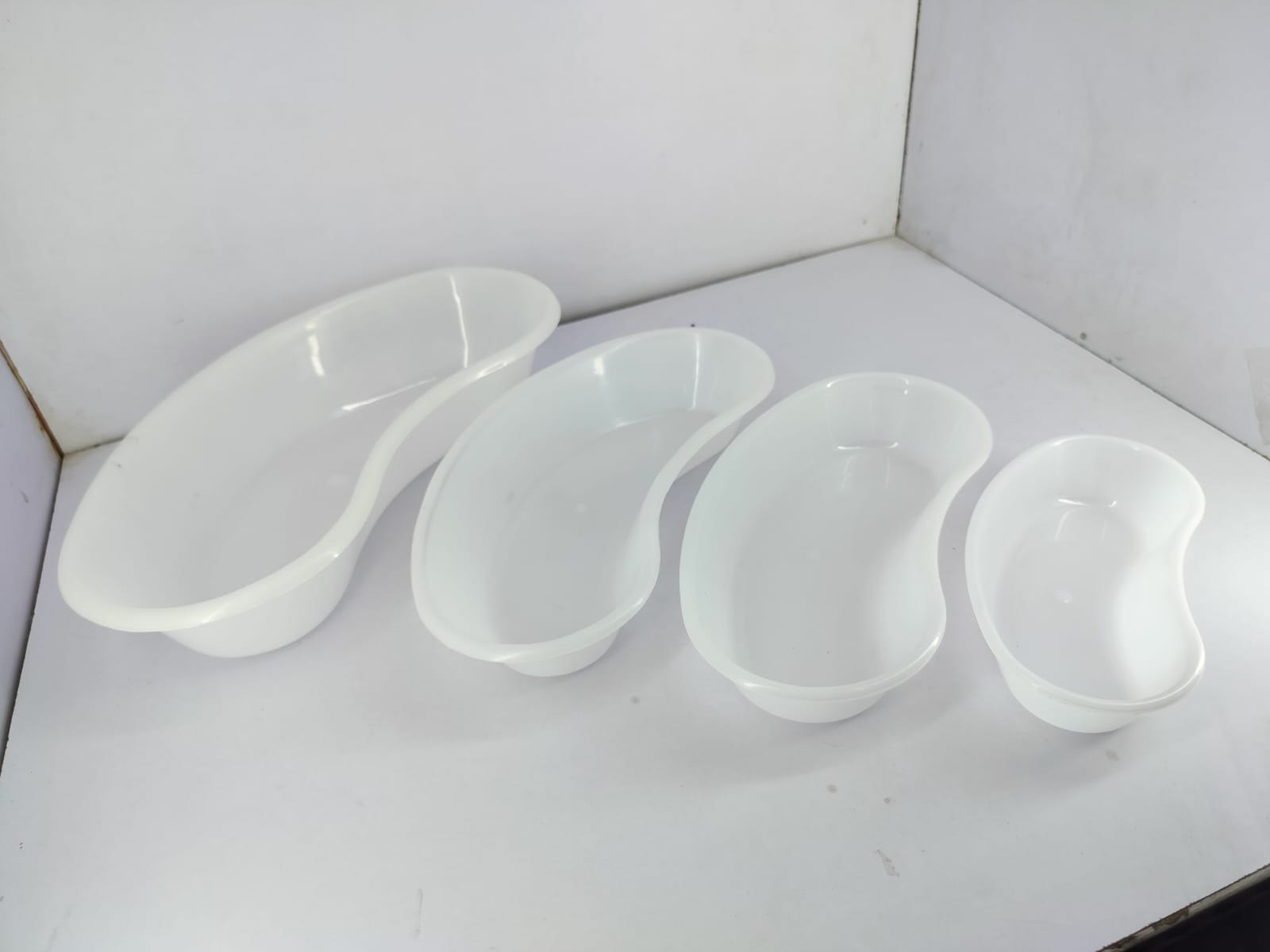
- Size Variants: Small (goat, ram), Medium (dog, sheep), Large (bull, stallion, camel).
- Reusable Components: Outer casing, water chamber.
- Disposable Components: Inner liners, semen cones, collection tubes.
Types & Variations
- Species-Specific Sets: Bovine AV Set, Equine AV Set, Canine AV Set, Caprine/Ovine AV Set.
- Operation Mode: Manual or semi-automated options.
- Design Options: With or without pressure regulator system.
Product Category
- Veterinary Reproductive Instruments
Product Form
- Complete Kit / Set
- Reusable + Disposable components
Usage
- Semen collection for artificial insemination.
- Semen banking and cryopreservation.
- Used in veterinary fertility clinics, breeding farms, and livestock research centers.
Veterinary Application
- Used to collect semen from bulls, stallions, dogs, rams, bucks, and camels.
- Operated by trained veterinary professionals or AI technicians.
- Ensures hygienic, high-quality sample collection for AI or diagnostic use.
Advantages
- Ready-to-use complete kit.
- Reduces contamination risk during semen collection.
- Custom sizes for species-specific applications.
- Durable, portable, and easy-to-handle design.
- Compatible with cryo-storage and laboratory setups.
Disadvantages
- High initial cost for complete sets.
- Requires strict hygiene protocols.
- Must be operated by trained personnel for optimal performance.
Precautions
- Sterilize all reusable parts before and after each use.
- Do not reuse liners or collection tubes across animals.
- Avoid overheating the water jacket.
- Ensure animal safety and calm behavior during collection.
Handling Instructions
- Pre-warm water jacket to 42–45°C before use.
- Insert sterile liner and lubricate properly.
- Attach collection cone and semen tube securely.
- Use dummy mount or restrained mating method for collection.
- Store collected sample immediately in lab-safe conditions.
Sterilization Details
- Reusable Parts: Clean with mild disinfectant or medical-grade cleaning solution.
- Autoclaving: Not recommended unless specified by manufacturer.
- Drying: Air dry all parts completely before repacking or reuse.
- Disposable Components: Discard after single use.
HS / HSN Code
- HS Code: 9018.90 – Instruments and appliances used in medical, surgical, dental, or veterinary sciences (Other).
- HSN Code (India): 9018.90.99 – Other instruments and appliances – Complete veterinary reproductive kits.
FAQs
Q1: What is the difference between an Artificial Vagina and an A.V. Set?
A: An A.V. is a single collection device; the A.V. Set includes liners, cones, tubing, and accessories for a complete collection session.
Q2: Is the A.V. Set species-specific?
A: Yes, sets are available for bulls, stallions, rams, dogs, and camels, each with specific size and temperature adjustments.
Q3: Can parts be reused?
A: The outer casing and water jacket are reusable, while liners, cones, and tubes are single-use only.
Q4: Can one set be used for multiple species?
A: Not ideally; each species requires unique dimensions and thermal parameters for safe collection.
Q5: Is the A.V. Set safe for animals?
A: Yes, when handled by trained professionals following proper hygiene and restraint protocols.