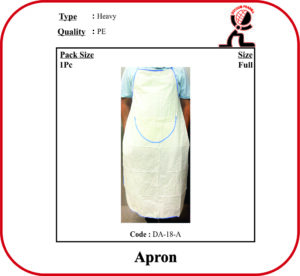
Apron Heavy
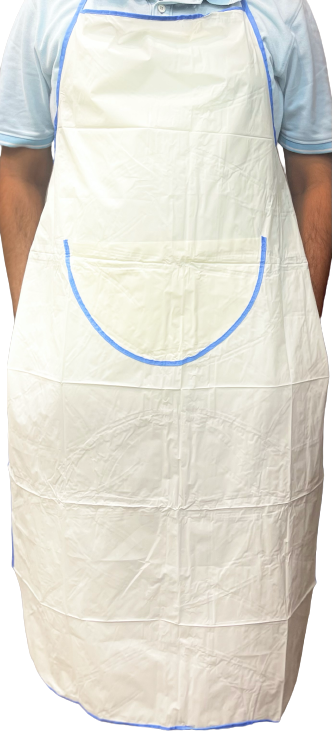
Description:- Heavy aprons are protective garments designed to shield the wearer from hazardous materials, splashes, or radiation during medical, industrial, or laboratory procedures. These aprons are typically made from thick, durable materials to provide enhanced protection compared to standard aprons.
Description
Specifications
- Thickness: Heavier gauge materials for better protection.
- Weight: Heavier than standard aprons, varies by material and size.
- Length: Full torso coverage, ranging from mid-thigh to below the knees.
- Closure: Tie or Velcro straps for a secure and adjustable fit.
Sizes
- Small, Medium, Large, and Extra Large options to fit different body types.
- Custom sizes available upon request for specific requirements.
Shapes & Types
- Full-length heavy aprons for maximum coverage.
- Waist-length heavy aprons for partial protection.
- Variants with reinforced front panels or extra padding for added safety.
Material
- Heavy-duty PVC (Polyvinyl chloride).
- Rubberized protective fabrics.
- Lead or lead-equivalent materials for radiation protection.
- Polyethylene or synthetic multi-layer protective composites.
Category
- Personal Protective Equipment (PPE) → Protective Clothing → Heavy Aprons
Product Form
- Reusable or disposable based on material and usage environment.
Usage
- Protection against chemical splashes in laboratories and industrial setups.
- Radiation protection during X-ray or radiology procedures (lead aprons).
- Shielding from body fluids in medical and surgical settings.
- General safety wear in hazardous or high-risk environments.
Advantages
- Provides superior protection using heavy-duty materials.
- Durable and long-lasting in reusable variants.
- Available in multiple sizes and shapes for maximum comfort.
- Radiation-shielding options available for medical use.
Disadvantages
- Heavier and bulkier than standard aprons, restricting mobility.
- May cause discomfort during prolonged use.
- Requires proper maintenance and cleaning if reusable.
- Lead aprons need special care, handling, and storage.
Precautions
- Ensure correct fit to prevent unprotected areas.
- Inspect regularly for tears, cracks, or material degradation.
- Follow manufacturer cleaning and storage instructions.
- Always choose apron type suitable for the intended hazard (chemical vs radiation).
HS / HSN Code
- HS Code: 6211.43 – Protective garments and clothing.
- HSN Code (India): 6211 – Garments for professional and industrial protection.
Handling
- Handle with clean hands or gloves to maintain hygiene.
- Store flat or hung properly to prevent creasing and damage.
- Follow appropriate disposal protocols for single-use products.
Sterilization Details
- Reusable Aprons: Wash with mild detergent and disinfectant solution.
- Radiation Aprons: Clean using manufacturer-approved cleaners only.
- Avoid: Harsh chemicals that can degrade material integrity.
- Drying: Air dry completely before reuse or storage.
Human Application
- Worn by healthcare professionals during radiology, surgery, or cleaning tasks.
- Used in laboratories and industrial sites handling hazardous chemicals.
- Protects cleaning and support staff in high-risk environments.
Veterinary Application
- Used during veterinary radiology and imaging procedures.
- Provides protection during surgeries involving hazardous fluids.
- Shields veterinary staff during diagnostic imaging or chemical handling.
FAQs
Q1: Are heavy aprons reusable?
A: Yes, most are reusable, especially PVC and lead variants. Disposable types are also available.
Q2: Can heavy aprons protect against radiation?
A: Yes, lead and lead-equivalent aprons provide effective radiation shielding.
Q3: How should I clean a heavy apron?
A: Use mild detergent and disinfectant; follow specific manufacturer care instructions.
Q4: Are heavy aprons comfortable to wear?
A: They can feel bulky due to material weight, but ergonomic designs improve comfort and usability.