
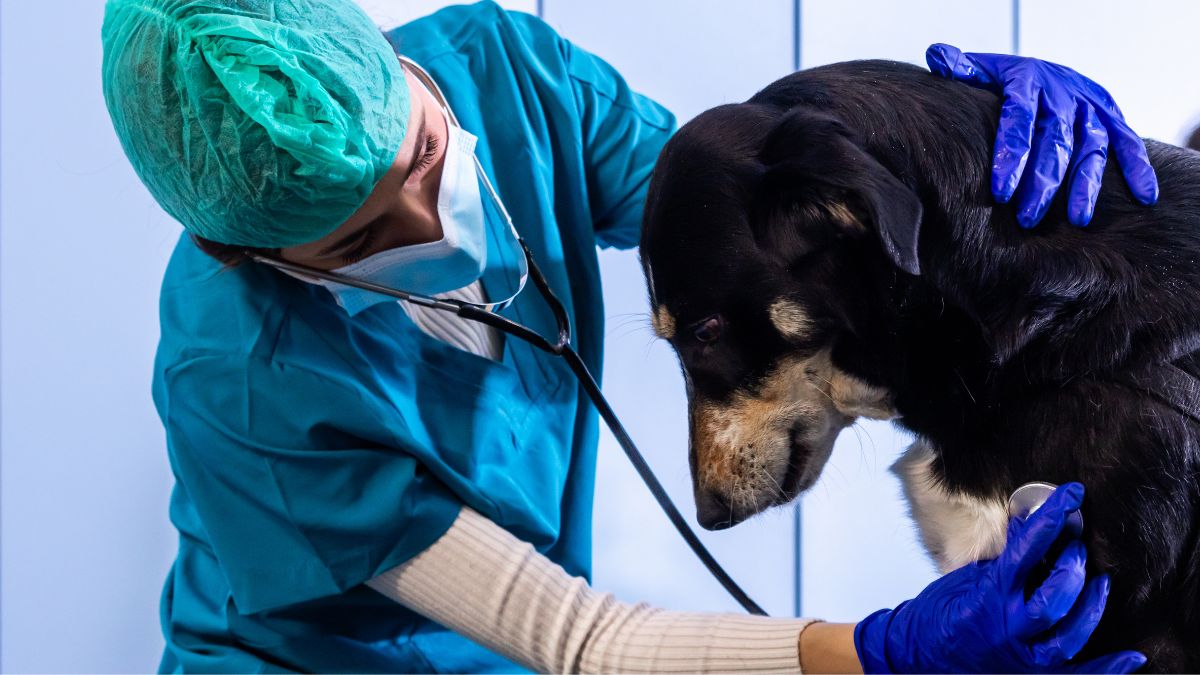
Veterinary Hygiene & Biosecurity: Why Proper Equipment & Disposables Matter in Animal Healthcare
Maintaining veterinary hygiene and biosecurity is no longer optional in modern animal healthcare. Whether it’s a veterinary clinic, dairy farm, or mobile practice, proper equipment, instruments, and disposable supplies play a critical role in preventing infections and improving treatment outcomes.
In this blog, we’ll explain why hygiene-focused veterinary tools and disposables are essential—and how the right equipment helps protect animals, veterinarians, and farm productivity.
What Is Veterinary Biosecurity?
Veterinary biosecurity refers to measures taken to prevent the introduction and spread of diseases among animals. Poor hygiene, contaminated instruments, and improper handling can quickly spread infections across herds or clinics.
Using clean, sterilized instruments and disposable protective products is one of the most effective ways to control disease transmission.
Why Hygiene-Focused Veterinary Equipment Matters
- Reduces risk of bacterial and viral infections
- Protects animals during examinations and surgery
- Improves healing and recovery time
- Ensures safer working conditions for veterinarians
- Builds trust with farmers and animal owners
Essential Veterinary Equipment for Hygiene & Safety
1. Disposable Veterinary Gloves
Long arm disposable gloves are essential for reproductive exams, artificial insemination, wound care, and general animal handling. They prevent cross-contamination and maintain hygiene during procedures.
2. Stainless Steel Surgical Instruments
Veterinary instruments made from stainless steel are easy to sterilize, corrosion-resistant, and suitable for repeated clinical use. Proper sterilization reduces post-operative infections.
3. Suturing Sets
Clean and well-maintained suturing tools are critical for wound closure and surgical recovery. Poor-quality or contaminated tools can delay healing and increase infection risk.
4. Visit Bags & Medical Carry Kits
Veterinary visit bags help safely transport medicines and instruments without exposure to dirt or contamination—especially important for field veterinarians and farm visits.
5. Measurement & Handling Tools
Tools like weight measuring tapes and tagging equipment support accurate livestock management while maintaining safe handling practices.
Common Hygiene Mistakes in Veterinary Practice
- Reusing disposable gloves
- Improper sterilization of instruments
- Using damaged or rusted tools
- Poor storage of surgical equipment
- Handling multiple animals without hygiene breaks
Best Practices for Veterinary Hygiene & Biosecurity
- Use disposable gloves for every procedure
- Sterilize instruments after each use
- Store tools in clean, sealed containers
- Replace worn-out equipment regularly
- Train staff on hygiene protocols
Conclusion
Veterinary hygiene and biosecurity are directly linked to animal health, farm productivity, and clinic reputation. Investing in proper veterinary equipment and disposable supplies is not just good practice—it’s essential for safe and effective animal healthcare.
Choosing reliable, hygienic veterinary tools helps prevent disease spread, improves treatment outcomes, and supports long-term veterinary success.