Rubber Ring For Elastrator piller
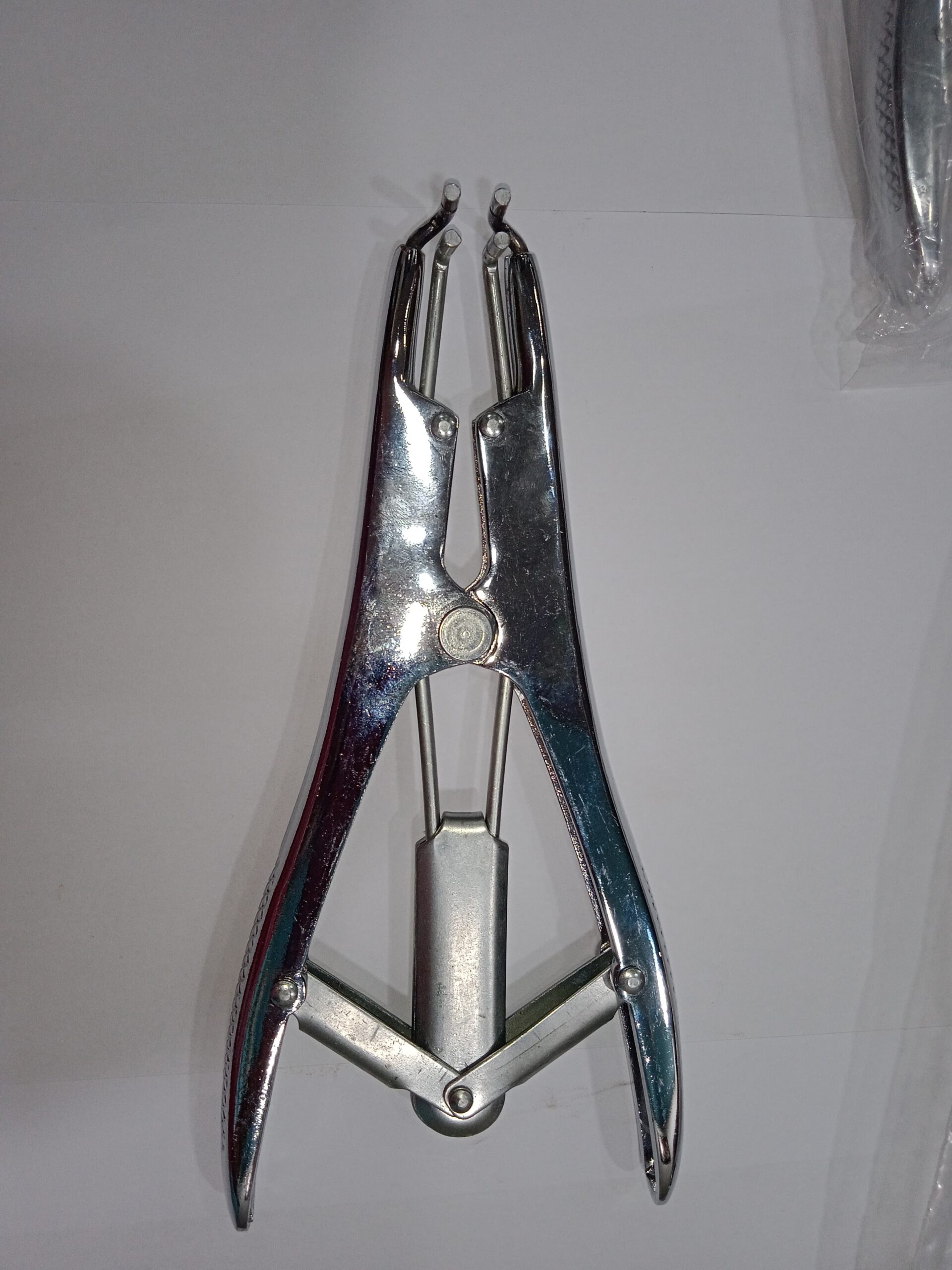
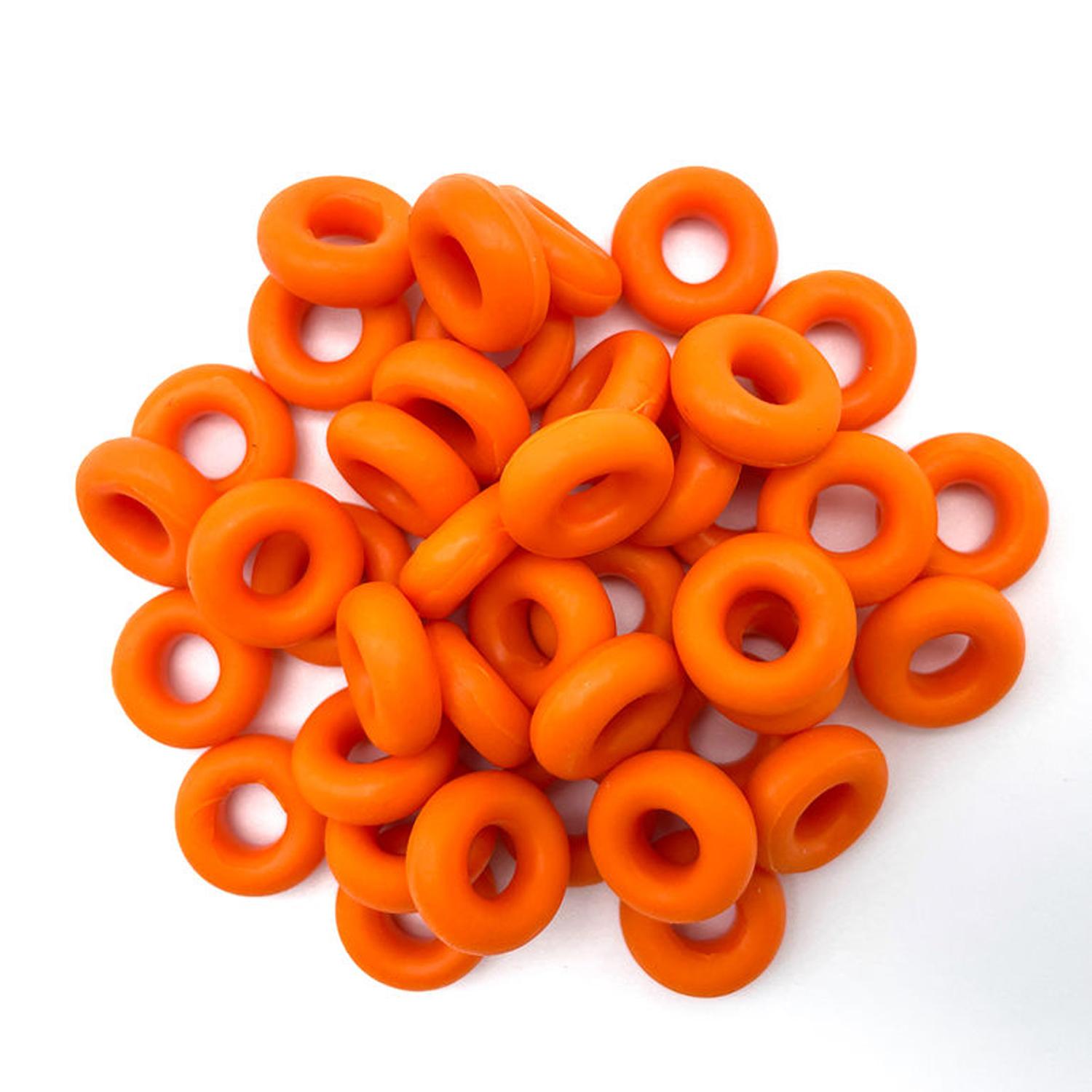
Description:- The Rubber Ring for Elastrator Plier is a specialized elastic ring designed to be applied using an elastrator plier for bloodless castration of livestock. These rings constrict blood flow to the testicles or tail, leading to tissue necrosis and eventual detachment without the need for surgery.
Description
Designed for safe, efficient, and humane livestock castration, our Rubber Rings for Elastrator Pliers are crafted from high-quality elastic material to ensure durable and reliable performance in veterinary care and large-scale animal husbandry.
Specifications
- Material: Natural latex or synthetic rubber
- Diameter: Typically 10 mm to 25 mm (varies by livestock size)
- Thickness: Approximately 2–4 mm
- Colour: Usually black or dark brown for UV resistance
- Packaging: Sterile or non-sterile bulk packaging depending on manufacturer
Sizes
Available in various diameters ranging from 10 mm to 25 mm to accommodate different animal species and age groups.
Shapes
- Circular elastic bands with uniform thickness
- Designed to stretch evenly for consistent pressure during application
Types
- Natural latex rubber rings
- Synthetic rubber (latex-free) rings for animals with latex sensitivity
- Colour-coded rings for easy size identification
Material
- High-quality natural latex – elastic and biodegradable
- Synthetic rubber alternatives – durable and non-allergenic
Category
- Veterinary Surgical Consumables
- Livestock Management Accessories
- Castration Supplies
Product Form
- Bulk packs (boxes of 50, 100, or 200 rings)
- Individually packed sterile rings available on request
Usage
- Used for bloodless castration by applying elastic rings to the scrotum or tail
- Controls reproduction in livestock such as calves, lambs, and goats
- Minimizes infection and bleeding risks compared to surgical castration
Advantages
- Simple, quick, and effective castration method
- Cost-efficient for large-scale livestock management
- Biodegradable natural latex options available
- Reduces need for surgical intervention and anaesthesia
Disadvantages
- Possible latex allergies in sensitive animals
- Improper placement may lead to complications
- Not suitable for older or large animals
- Single-use only – must be discarded after application
Precautions
- Use only by trained veterinary professionals
- Verify correct ring size and placement before application
- Monitor animals for swelling or signs of infection post-procedure
- Use latex-free rings if latex sensitivity is suspected
HS / HSN Code
- HS Code: 4016.99
- HSN Code: 40169990 – Other articles of vulcanized rubber, not elsewhere specified
Handling Instructions
- Store in a cool, dry place away from sunlight
- Avoid unnecessary stretching before use
- Use sterile or clean gloves during application
- Dispose of used rings as per biomedical waste protocols
Sterilization Details
- Supplied sterile or non-sterile depending on packaging
- Single-use disposable product; no re-sterilization recommended
- Maintain proper storage to preserve elasticity and integrity
Veterinary Application
- Used for bloodless castration in calves, lambs, and goats
- Applied using elastrator pliers to restrict blood flow
- Supports humane, non-surgical livestock management
- Ideal for large-scale animal husbandry operations
Human Application
- Not used in human medicine
- Exclusively designed for veterinary and livestock applications
Frequently Asked Questions (FAQs)
Q1: What is the purpose of the rubber ring for elastrator plier?
A: It is used to constrict blood flow during bloodless castration of livestock.
Q2: Are these rings reusable?
A: No, they are single-use items and must be discarded after application.
Q3: What materials are these rings made from?
A: Natural latex or synthetic rubber, with latex-free variants available.
Q4: How do I choose the correct size?
A: The size depends on the animal’s age and species; consult veterinary sizing charts.
Q5: Can humans use these rubber rings?
A: No, they are designed solely for veterinary use.