Elastrator Piller
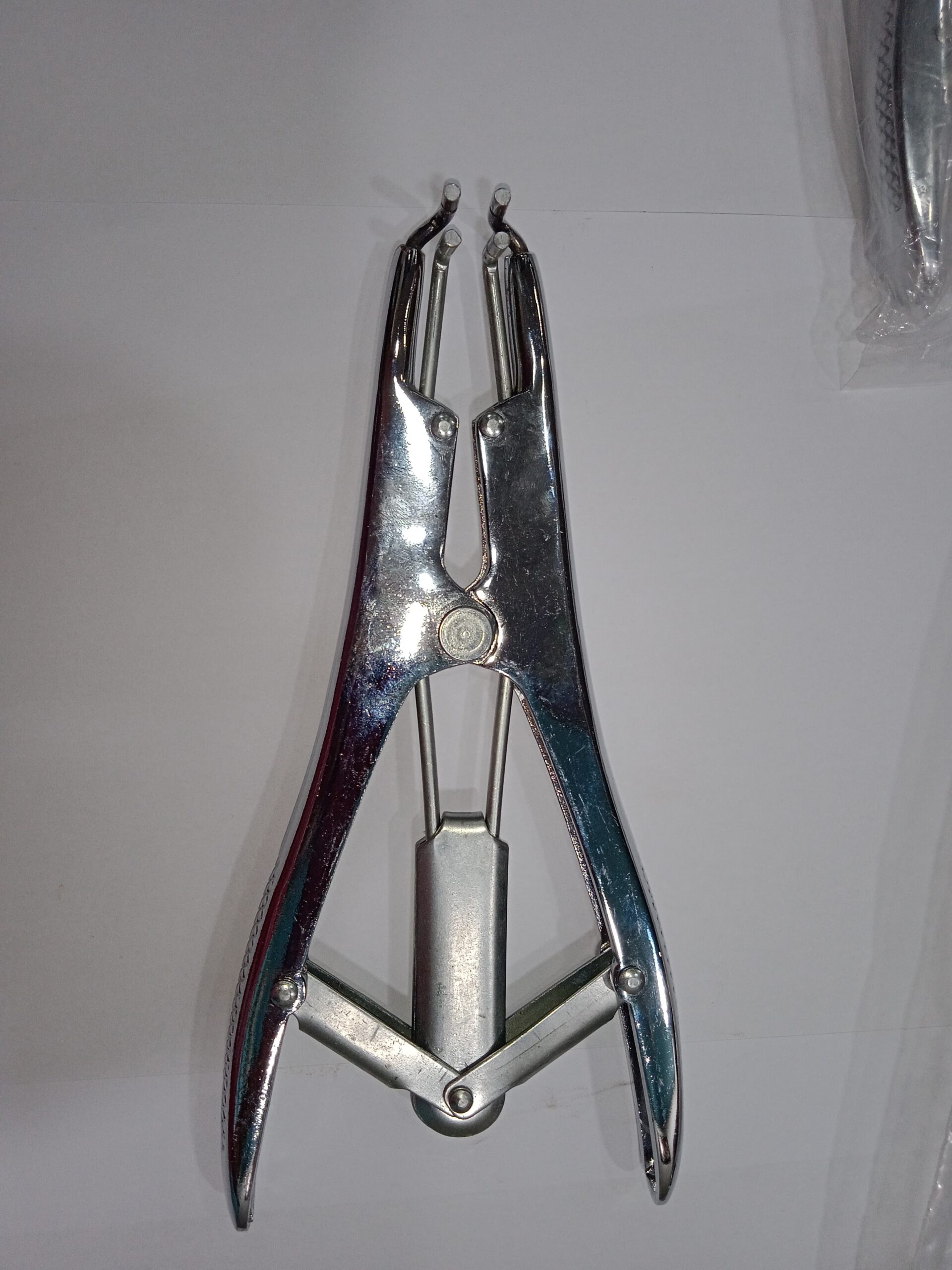
Description:- The Elastrator Plier is a specialized surgical instrument primarily used in veterinary medicine for bloodless castration of livestock by applying tight rubber rings to the base of the scrotum. This device allows for a minimally invasive, chemical-free procedure that causes tissue necrosis and eventual sloughing of the testicles.
Description
Specifications
- Material: High-quality stainless steel
- Finish: Polished for corrosion resistance
- Handle: Ergonomic, non-slip grip
- Size: Typically 18 cm to 22 cm in length
- Weight: Approximately 150–200 grams
Sizes
Available in sizes ranging from 18 cm to 22 cm to accommodate various livestock sizes and operator preferences.
Shapes
- Curved jaw design for secure placement of rubber rings
- Spring-loaded handles for controlled tension and precise application
Types
- Standard Elastrator Plier (manual operation)
- Heavy-duty versions for larger animals
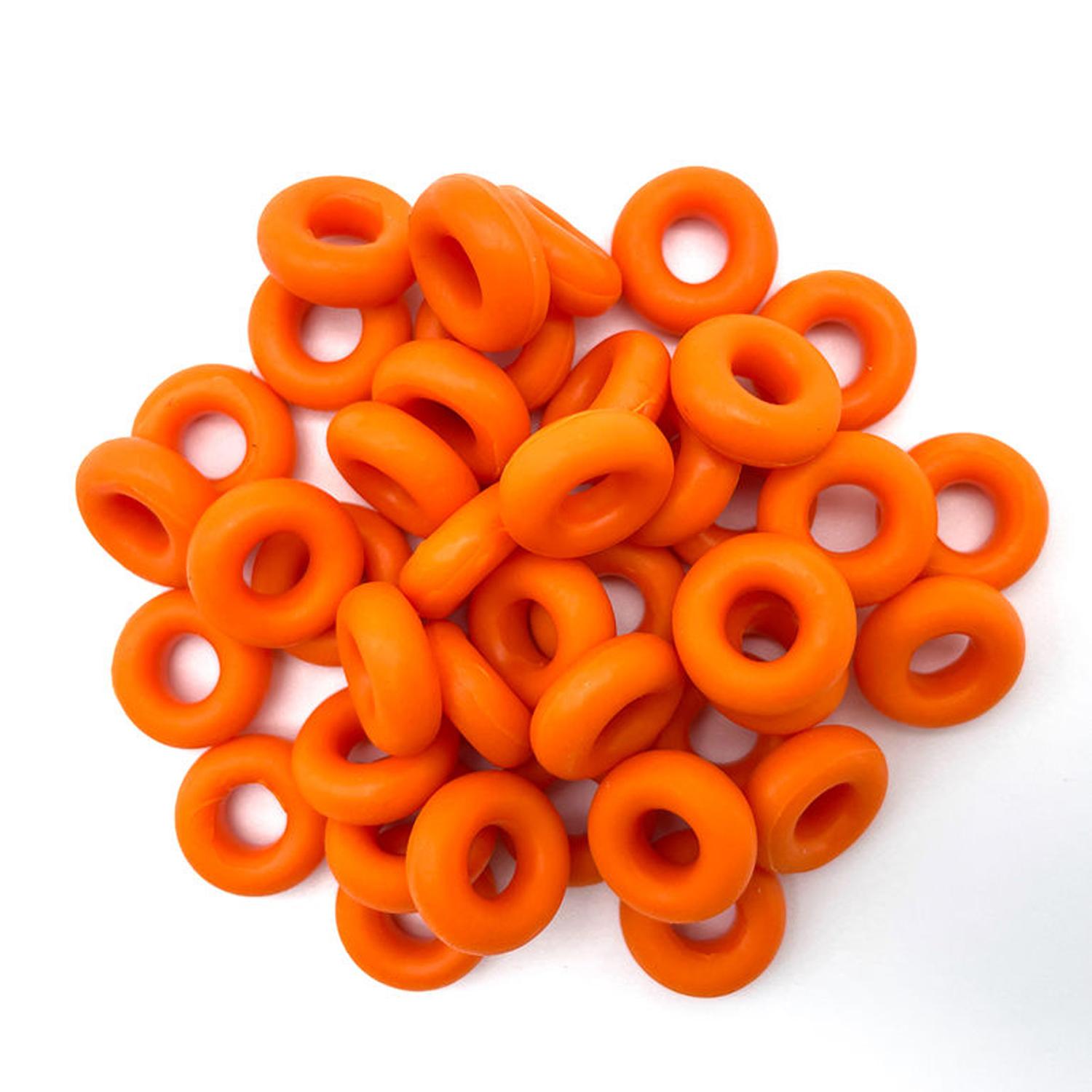
- Disposable rubber ring kits compatible with plier
Material
- Surgical-grade stainless steel (Grade 304 or 316)
- Rubber rings made from high-quality latex or synthetic rubber
Category
- Veterinary Surgical Instruments
- Livestock Management Tools
- Castration Devices
Product Form
- Individual instrument (plier) with compatible rubber ring kits
- Sterile packaging available upon request
Usage
- Used in veterinary practice for bloodless castration of calves, lambs, and goats
- Reduces risk of bleeding and infection compared to surgical methods
- Ideal for use in farms, livestock management, and veterinary clinics
Advantages
- Quick and easy to use
- Minimal bleeding and reduced infection risk
- Cost-effective for large-scale livestock operations
- Does not require anaesthesia or surgical setup
Disadvantages
- May cause pain if analgesics are not administered
- Limited to younger animals with smaller scrotal size
- Improper ring placement can cause complications
- Not suitable for adult or large animals
Precautions
- Use only by trained veterinary professionals
- Ensure correct size and placement of rings
- Monitor animals post-procedure for swelling or infection
- Follow veterinary guidelines for analgesic use
HS / HSN Code
- HS Code: 9018.39
- HSN Code: 90183990 – Veterinary surgical instruments and castration devices
Handling Instructions
- Handle using clean, disinfected hands or gloves
- Inspect the instrument for damage or rust before use
- Store in a dry and sterile environment
- Dispose of rubber rings after use; plier is reusable
Sterilization Details
- Clean thoroughly with warm water and detergent after use
- Autoclave at 121°C for 15–20 minutes (for reusable pliers)
- Disposable rubber rings are pre-sterilized and single-use only
Veterinary Application
- Used for bloodless castration in calves, lambs, and goats
- Widely used in livestock farms and veterinary practices
- Improves hygiene and reduces post-operative complications
- Enhances animal welfare by minimizing invasive surgery
Human Application
- Rarely used in human medicine
- Primarily designed for veterinary use
- Adapted versions may be used for minor clinical training, but not recommended
Frequently Asked Questions (FAQs)
Q1: What is an Elastrator Plier used for?
A: It is used for bloodless castration of livestock by applying rubber rings around the scrotum to restrict blood flow.
Q2: Is it safe for animals?
A: Yes, when used properly by trained veterinarians, it is a safe and effective method with minimal complications.
Q3: Can the plier be reused?
A: Yes, the plier is reusable after cleaning and sterilization. Rubber rings are single-use only.
Q4: What sizes are available?
A: Typically available in 18 cm to 22 cm lengths depending on animal size.
Q5: Is it used in human medicine?
A: No, it is primarily designed for veterinary and livestock use only.