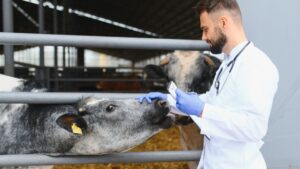
Treating Gram-Negative Infections in Livestock & Pets: Why Gentamicin Remains Critical
Gram-negative bacterial infections remain one of the most persistent and economically damaging challenges for veterinarians across India. From dairy farms in Gujarat to poultry units in Andhra Pradesh, pathogens like E. coli and Salmonella can devastate herds if not managed rapidly.
For veterinary professionals, the window to act is often narrow. Gram-negative bacteria possess a unique outer membrane that resists many common antibiotics, making the choice of therapeutic agent critical for survival.
Identifying the Threat: Common Suspects & Symptoms
While culture and sensitivity tests are the gold standard, field conditions often require empirical treatment based on clinical presentation. The most common gram-negative culprits include E. coli, Klebsiella, Proteus, and Pseudomonas.
Clinical Signs in Livestock (Cattle/Buffalo)
- Septicaemia: High fever, depression, and rapid respiration in calves.
- Mastitis: Acute swelling, watery milk, and systemic toxemia.
- Enteritis: Severe diarrhea leading to rapid dehydration.
Clinical Signs in Small Animals (Dogs/Cats)
- Urinary Tract Infections (UTIs): Straining to urinate, hematuria.
- Respiratory Infections: Purulent nasal discharge, coughing, and lethargy.
Why Injectable Aminoglycosides Are Necessary
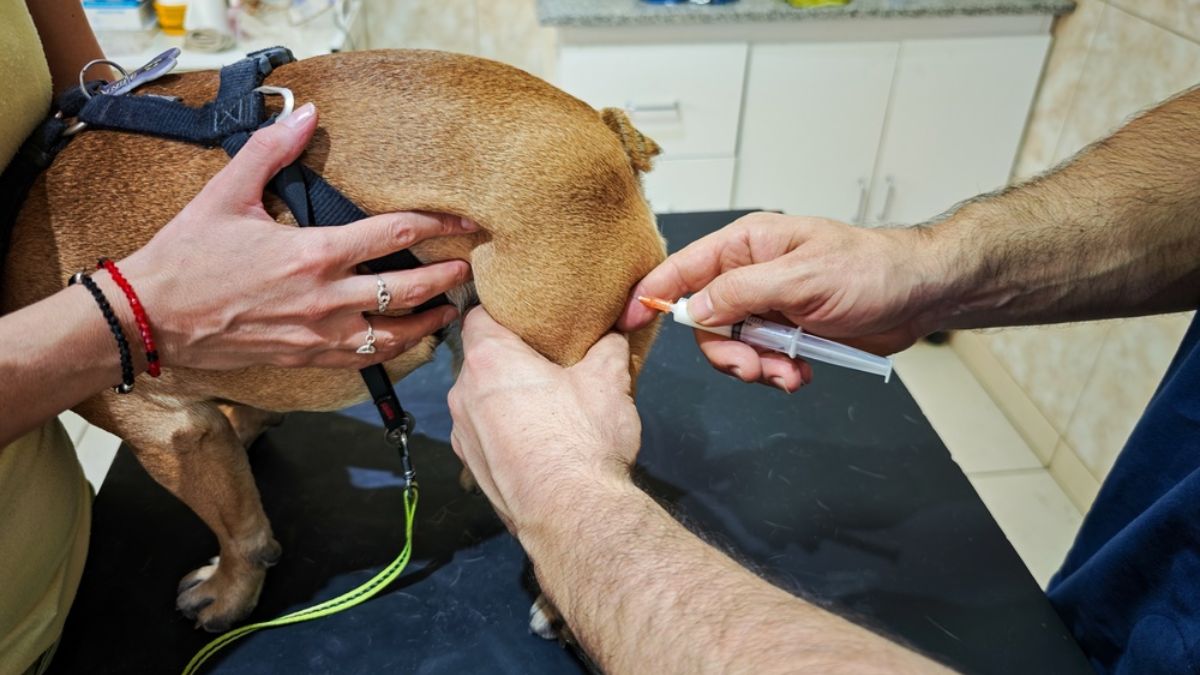
In severe acute cases, oral antibiotics may be too slow to absorb or ineffective due to gut pathology. Injectable therapy ensures 100% bioavailability immediately.
Gentamicin, an aminoglycoside, is particularly valued for its:
- Bactericidal Activity: It kills bacteria rapidly rather than just inhibiting growth.
- Concentration-Dependent Killing: Higher peak concentrations lead to faster bacterial eradication.
- Post-Antibiotic Effect (PAE): It continues to suppress bacterial growth even after levels drop below the MIC (Minimum Inhibitory Concentration).
Choosing a Reliable Formulation: GENDOT Injection
Not all generic formulations are created equal. Consistency in potency and pH balance is vital to reduce injection site irritation and ensure therapeutic levels.
For Indian veterinary practices, GENDOT Gentamicin Injection (40mg/ml) has emerged as a trusted solution. Manufactured under WHO-GMP standards, it offers the stability and purity required for critical care in both large and small animals.
Safety Protocol: Mitigating Nephrotoxicity
While Gentamicin is powerful, it must be used with a clear understanding of its safety profile, particularly regarding kidney function.
Best Practices for Safe Administration:
- Hydration is Key: Ensure the animal is well-hydrated before administration to protect renal tubules.
- Once-Daily Dosing: Current veterinary studies suggest that high-dose, once-daily administration maximizes efficacy while minimizing toxicity compared to multiple smaller doses.
- Duration Control: Limit therapy to the necessary duration (typically 3-5 days) unless monitoring suggests otherwise.
- Avoid Combinations: Be cautious when using with other nephrotoxic drugs (e.g., NSAIDs like flunixin) in dehydrated animals.
Conclusion
Managing gram-negative infections requires a balance of speed, potency, and safety. By identifying symptoms early and utilizing a high-quality injectable like GENDOT, veterinarians can significantly reduce mortality rates in livestock and improve recovery times in companion animals.
Looking for bulk veterinary supplies?
Dotcom Pharma India is a leading manufacturer and exporter of veterinary formulations.