
Pain, Fever & Inflammation in Cattle: How Combination Bolus Therapy Supports Faster Recovery
Pain, fever, and inflammation are among the most common clinical conditions affecting livestock and companion animals. These symptoms not only reduce animal comfort but can also directly impact productivity, recovery time, and overall health if not managed properly.
Veterinary practice today increasingly relies on combination bolus therapy to address multiple symptoms together—helping animals recover faster and return to normal activity sooner.
Why Pain and Inflammation Need Early Veterinary Attention
Conditions such as infections, injuries, post-operative stress, joint problems, and muscle strain often trigger inflammatory responses accompanied by pain and fever. If left unmanaged, these conditions may worsen, leading to delayed healing and long-term complications.
- Reduced feed intake and mobility
- Stress and discomfort in animals
- Delayed recovery after surgery or illness
- Lower productivity in high-yielding livestock
The Role of Combination Bolus Therapy in Veterinary Care
Combination bolus formulations are designed to address multiple aspects of discomfort simultaneously. By combining analgesic, antipyretic, anti-inflammatory, and enzyme-based support, veterinarians can manage symptoms more effectively than with single-drug therapy.
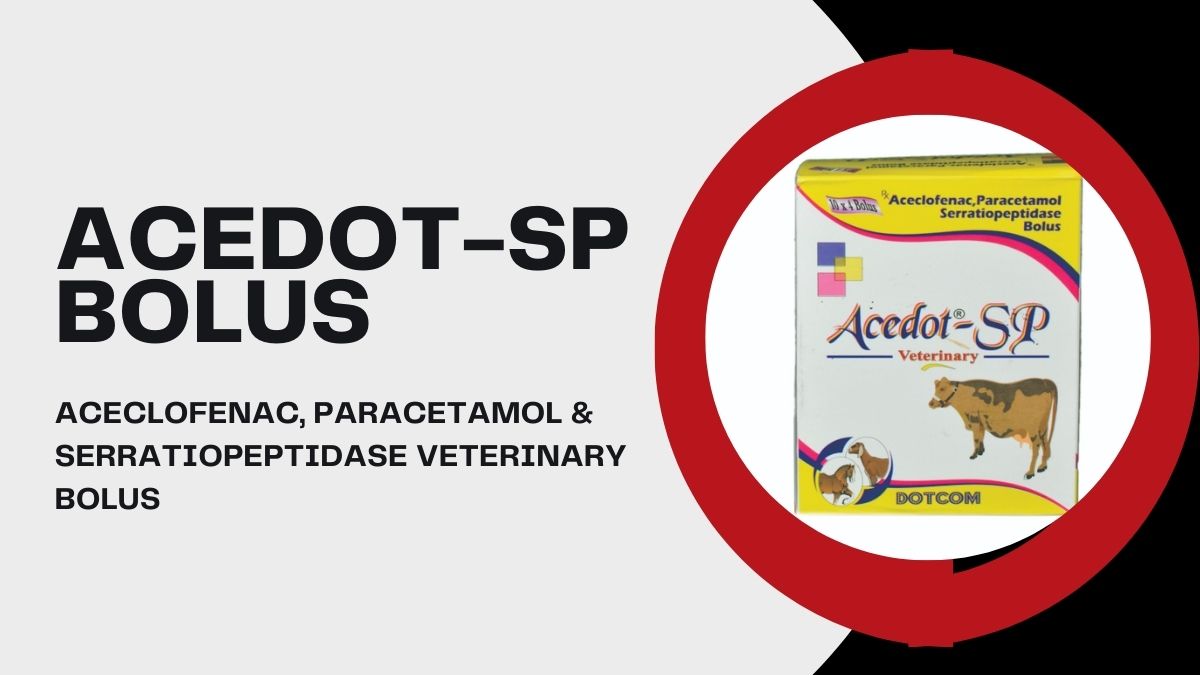
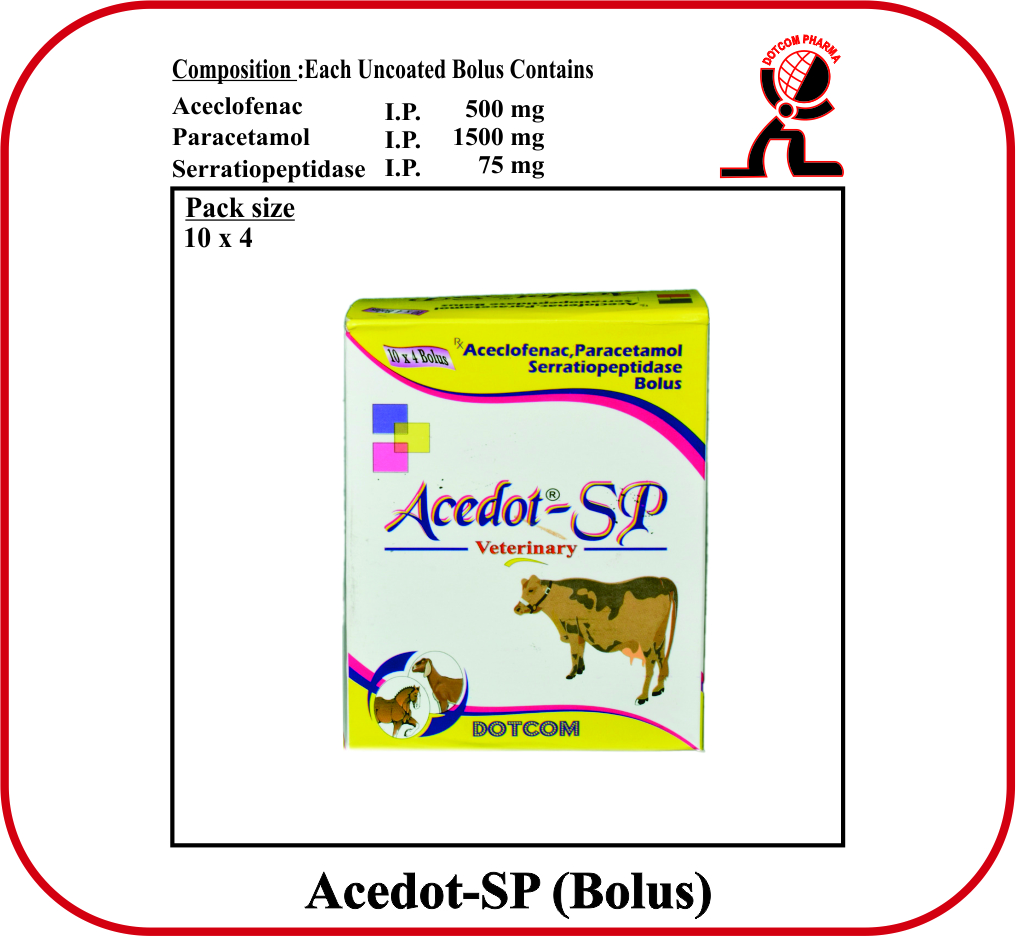
One such veterinary formulation used in clinical practice is ACEDOT-SP Bolus, which is formulated to support pain relief, fever control, and inflammation management in animals.
How Combination Ingredients Work Together
Veterinary bolus formulations combining aceclofenac, paracetamol, and serratiopeptidase are commonly used to support:
- Reduction of pain and discomfort
- Control of fever (pyrexia)
- Management of inflammation linked to infections
- Joint and muscle inflammation
- Post-operative inflammatory conditions
When Do Veterinarians Recommend Such Bolus Therapy?
Combination bolus therapy is typically considered during:
- Post-surgical recovery
- Musculoskeletal pain or joint inflammation
- Infectious conditions associated with fever
- Inflammatory responses following trauma
- Allergic or inflammatory reactions
Safe and Practical Administration
Veterinary bolus formulations are administered via the oral route, with dosage adjusted based on animal size and veterinary guidance. Proper administration ensures effective symptom management while supporting animal comfort.
Conclusion
Managing pain, fever, and inflammation effectively is essential for maintaining animal health, welfare, and productivity. Combination bolus therapy offers veterinarians a practical solution to address these interconnected symptoms in a structured and efficient way.
Choosing reliable veterinary formulations and following professional guidance helps ensure better recovery outcomes and improved animal well-being.