Chain
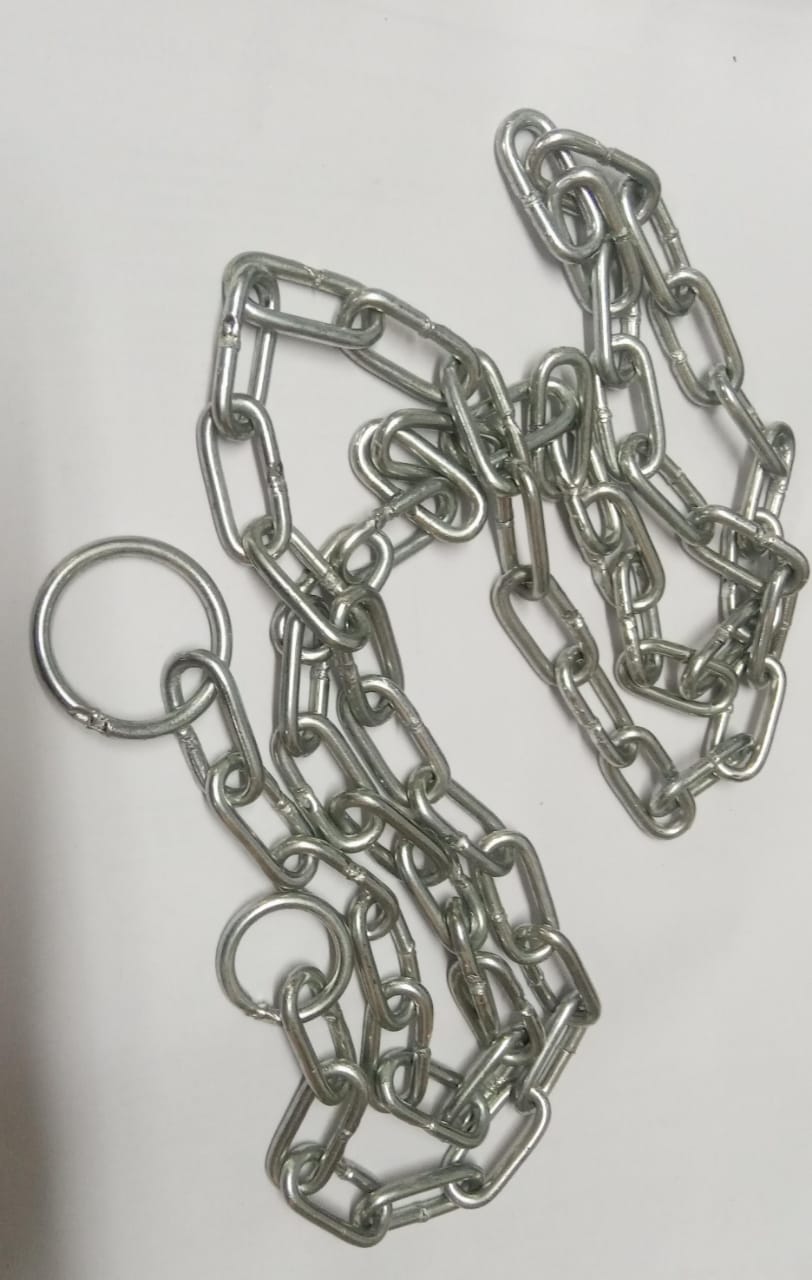
Description:- Chains are versatile metal links connected to form a flexible but strong length, widely used in veterinary and agricultural settings for restraining, lifting, and securing animals or equipment. Made from high- strength steel or alloy, veterinary chains provide durability and resistance against wear, making them essential tools for handling large animals safely.
Description
Specifications
- Material: Stainless steel, galvanized steel, or alloy steel
- Length: Available from 1 meter to 10 meters depending on application
- Link Size: Typically 5 mm to 12 mm in diameter
- Finish: Zinc-plated or galvanized coating for corrosion resistance
- Breaking Strength: Rated for heavy-duty use depending on link size and material
Types & Variants
- Standard link chains for general use
- Heavy-duty industrial chains for large animals
- Lightweight stainless steel chains for small livestock
- Chains with integrated hooks or clamps for quick fastening
Usage
- Used to secure livestock safely during examination, treatment, or transportation
- Acts as an anchoring mechanism for gates, stalls, or holding pens
- Commonly paired with hooks or locks for added safety and convenience
Advantages
- High tensile strength and exceptional durability
- Corrosion and weather-resistant when galvanized or made from stainless steel
- Flexible, easy to adjust, and reusable
- Low maintenance and suitable for repeated field use
Disadvantages
- Improper use can cause injury to animals
- Must be regularly inspected for wear, rust, or sharp edges
Precautions
- Check chain links carefully for cracks or rust before each use
- Avoid using chains with sharp edges or broken links
- Never use bare chains directly as collars — always add padding to prevent injury
- Ensure animals are secured calmly to prevent panic or strain injuries
Handling Instructions
- Clean thoroughly with mild detergent and water after each use
- Dry completely before storage to prevent rusting
- Lubricate occasionally to maintain flexibility and ease of use
- Store in a dry, well-ventilated area away from moisture
Sterilization Details
- Metal chains are generally not sterilized but should be cleaned and disinfected when used in veterinary clinics or treatment areas
- Use suitable disinfectants to remove organic matter or residue
HSN & HS Code
- HSN Code: 7315.12 – Chains of iron or steel, not elsewhere specified
- HS Code: 7315.12.00 – Applicable globally for steel chain products
Human Application
- Not applicable
Veterinary Application
- Used for restraining and handling livestock such as cattle, horses, and buffaloes
- Helps maintain control during examination, vaccination, or minor treatment procedures
- Provides secure anchoring in barns, pens, and animal holding areas
Frequently Asked Questions (FAQs)
Q1: What materials are veterinary chains made of?
A: Most are made of stainless steel or galvanized steel for strength and corrosion resistance.
Q2: Can chains rust over time?
A: Yes, unless they are galvanized or stainless steel. Regular cleaning and drying help prevent corrosion.
Q3: Are chains safe for use as animal collars?
A: Only when padded properly — direct metal contact can cause injuries.
Q4: What is the typical length of a veterinary chain?
A: Chains usually range from 1 meter to 10 meters, depending on the size and purpose.
Q5: How should chains be stored?
A: Keep them dry, ventilated, and clean after use to maintain longevity and prevent rust.