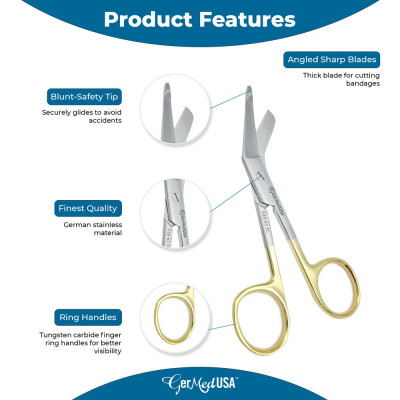
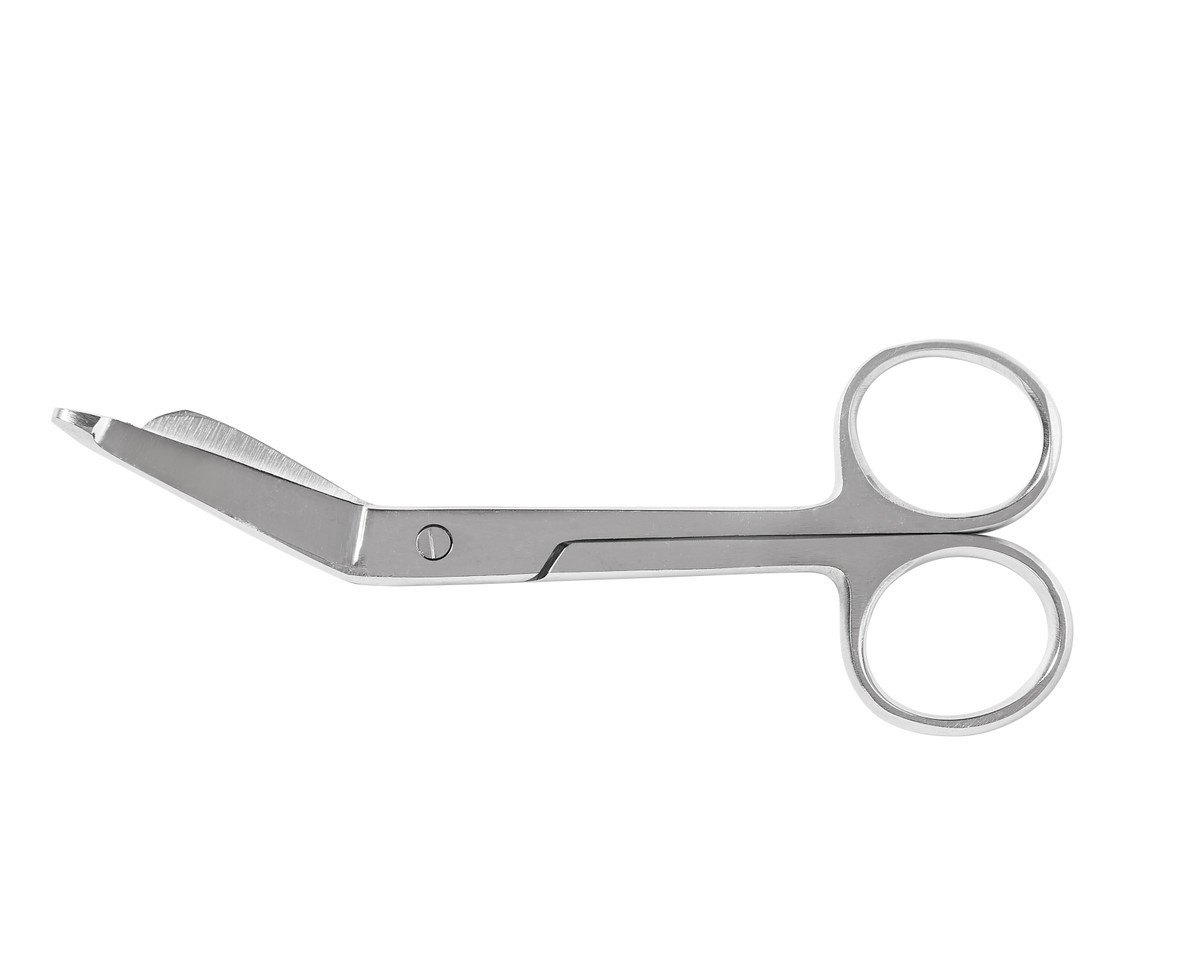
GAUZE CUTTING SCISSOR
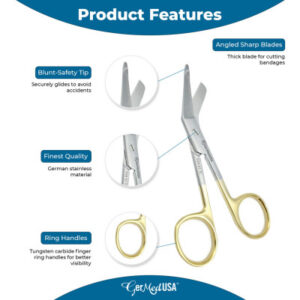
Description:- Gauze cutting scissors are surgical-grade scissors specifically designed for cutting ga uze, bandages, and dressings during veterinary procedures. These scissors ensure clean and efficient cutting of sterile materials without damaging underlying tissues or dressings.
Description
Specification
- Length: Typically ranges from 5 to 7 inches (12.5–18 cm)
- Blade Type: Blunt-tipped or angled for safe cutting
- Cutting Edge: Smooth, sharp-edged blade for precise cutting
- Grip: Finger ring handles; ergonomically designed
- Finish: Matte or satin finish to reduce glare
- Sterilization: Fully autoclavable
Sizes
- Small: 5 inches – ideal for minor wound dressing
- Medium: 6 inches – commonly used in clinics
- Large: 7 inches – suitable for thick or multiple gauze layers
Shapes
- Straight blade
- Angled blade (popular for visibility and access)
- Curved tip
- Blunt-blunt or blunt-sharp tip combination
Types
- Standard gauze scissors
- Lister-type bandage scissors
- Utility dressing scissors / Disposable gauze scissors
Material
- Surgical stainless steel (corrosion-resistant, autoclavable)
- Steel with plastic-coated handles (enhanced grip)
- Disposable plastic + steel tip variants
Category
- Veterinary Surgical Instruments
- Dressing and Bandaging Tools
- Surgical Scissors
Product Form
- Individually packed
- Sterile or non-sterile
- Reusable and disposable options
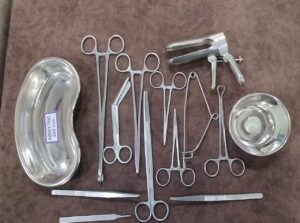
- Included in wound care or dressing kits
Usage
- Cutting gauze pads, rolls, and dressing materials
- Trimming bandages during removal or application
- Shaping wound covers for precise fit
- Removing old or soiled gauze safely
- Used in post-operative care and emergency treatment
Advantages
- Provides clean and smooth cuts
- Prevents fraying of bandage edges
- Minimizes tissue disturbance
- Reusable versions are durable and cost-effective
- Available in multiple sizes and blade shapes
Disadvantages
- May dull over time and require sharpening
- Improper sterilization can cause contamination
- Disposable versions generate more medical waste
- Not suitable for cutting sutures or hard materials
Precaution
- Sterilize reusable scissors before and after use
- Use only for gauze and dressings to maintain sharpness
- Handle carefully to avoid injury
- Check alignment before procedures
- Avoid mixing with tissue scissors to prevent cross-contamination
HS / HSN Code
- HS Code: 9018.90
- HSN Code: 9018
Handling
- Use thumb and ring finger in handles for proper grip
- Apply index finger for extra control
- Cut at an angle for smooth edges
- Store separately to maintain blade sharpness
- Sharpen periodically if reusable
Sterilization Details
- Autoclaving: 121°C – 134°C for reusable stainless steel scissors
- Chemical disinfection using glutaraldehyde-based agents
- Dry heat sterilization when autoclave is unavailable
- Disposable type: single-use; discard after use
Veterinary Application
- Used in wound care and surgical dressing for small and large animals
- Suitable for companion animals (dogs, cats, rabbits)
- Used in livestock medical procedures
- Included in field and mobile veterinary kits
Human Application
- Used in hospitals, clinics, and first aid setups
- Lister bandage scissors used for safe bandage removal
- Important in emergency medical and post-surgical care
Frequently Asked Questions (FAQs)
Q1: What is a gauze cutting scissor?
A gauze cutting scissor is a surgical instrument used for cutting gauze and dressing materials cleanly during medical or veterinary procedures.
Q2: Can gauze cutting scissors be sterilized?
Yes, reusable scissors can be autoclaved or chemically disinfected. Disposable versions are pre-sterilized for single use.
Q3: Are gauze scissors different from tissue scissors?
Yes, gauze scissors are designed for gauze/bandage materials, while tissue scissors are used for biological tissue.
Q4: What material is used?
Typically high-grade surgical stainless steel for durability and hygiene.
Q5: What is the HS code?
9018.90 under medical/veterinary instruments.