Why Do Vets in India Use Sulphadiazine + Trimethoprim Injections for Livestock Infections?
Livestock infections remain a major challenge for veterinarians across India, particularly in dairy farms and calf-rearing units.
Conditions such as calf scour, metritis, mastitis, and respiratory infections often involve multiple bacterial organisms,
making treatment selection critical.
In such cases, combination injectable antibiotics play an important role in ensuring effective and rapid recovery.
One widely used combination in veterinary practice is sulphadiazine with trimethoprim.
Why Mixed Bacterial Infections Are Common in Livestock
Farm animals are frequently exposed to unhygienic conditions, stress, nutritional deficiencies,
and environmental challenges that weaken immunity.
As a result, infections are rarely caused by a single bacterial species.
Common consequences of untreated or poorly treated infections include:
- High morbidity and mortality in calves
- Reduced milk production
- Delayed reproductive recovery
- Increased treatment costs
Role of Combination Antibiotics in Veterinary Practice
Combination antibiotics such as sulphadiazine and trimethoprim work synergistically
by blocking bacterial folic acid synthesis at two different stages.
This double-action mechanism results in stronger and more reliable bacterial control.
This makes them especially useful in infections where the causative bacteria are not clearly identified.
When Do Vets Prescribe Sulphadiazine + Trimethoprim Injections?
Veterinarians in India commonly prescribe this injectable combination for conditions such as:
- Calf scour and enteritis
- Colisepticemia and septicaemia
- Pneumonia and respiratory infections
- Foot rot
- Metritis and retained placenta
- Mastitis
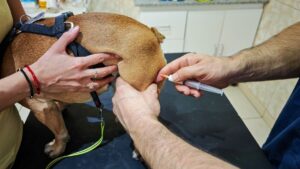
Its injectable form ensures faster systemic absorption and dependable therapeutic levels,
especially in moderate to severe infections.
Why Injectable Antibiotics Are Preferred Over Oral Treatment
In sick animals suffering from dehydration, diarrhoea, or reduced appetite,
oral antibiotics may not be absorbed efficiently.
Injectable antibiotics allow veterinarians to:
- Ensure accurate dosing
- Achieve faster blood concentration
- Reduce treatment failure
- Improve clinical response time
Responsible Use of Veterinary Antibiotics
Although combination antibiotics are highly effective,
their use must always be guided by veterinary judgment.
Correct dosing, appropriate treatment duration, and strict adherence to withdrawal periods
are essential to prevent antimicrobial resistance and ensure food safety.
Choosing a Reliable Veterinary Antibiotic Manufacturer
Treatment success depends not only on drug selection but also on product quality.
Veterinarians should choose antibiotics manufactured under strict quality control standards.
A formulation such as
SULPHAVET-T Sulphadiazine + Trimethoprim Injection
is designed to support effective management of bacterial infections in livestock.
Conclusion
Sulphadiazine and trimethoprim injections continue to be a valuable treatment option
for veterinarians managing complex bacterial infections in animals.
When used responsibly, combination injectable antibiotics help improve recovery rates,
reduce repeat infections, and protect long-term animal health.