Why Enrofloxacin Injections Are Widely Used in Veterinary Practice for Bacterial Infections
Bacterial infections are one of the most common health challenges faced by veterinarians across livestock, poultry, and companion animals. Respiratory, digestive, skin, and systemic infections can significantly affect animal health, productivity, and recovery if not treated on time.
In modern veterinary medicine, injectable antibiotics are often preferred for moderate to severe infections. Among them, enrofloxacin injections are widely used due to their broad-spectrum activity, fast action, and reliable bactericidal properties.
What Is Enrofloxacin Injection?
Enrofloxacin is a third-generation quinolone antibiotic developed exclusively for veterinary use. It works by inhibiting bacterial DNA gyrase, an enzyme essential for DNA replication and cell division in bacteria.
By blocking this enzymatic process, enrofloxacin causes a breakdown in bacterial metabolism, leading to rapid bacterial cell death. This makes it a highly effective bactericidal agent against a wide range of Gram-positive and Gram-negative organisms.
Common Veterinary Uses of Enrofloxacin Injection
Enrofloxacin injections are commonly prescribed by veterinarians for the treatment of various bacterial infections, including:
- Respiratory tract infections and pneumonia
- Mastitis and post-partum infections
- Gastrointestinal infections and diarrhea
- Skin and soft tissue infections
- Urogenital tract infections
- Colibacillosis and salmonellosis
- Mycoplasmosis and chronic respiratory diseases
Why Injectable Antibiotics Are Preferred in Severe Infections
Injectable antibiotics play a critical role in veterinary treatment, especially when oral administration is not effective or feasible. Enrofloxacin injections offer several advantages:
- Faster absorption and therapeutic action
- Higher bioavailability compared to oral formulations
- Better tissue penetration
- Effective treatment in animals with poor appetite or digestion
Veterinary Formulations Available
Veterinary pharmaceutical manufacturers offer enrofloxacin injections in different strengths and formulations to suit various animal species and infection severity.
One such formulation is
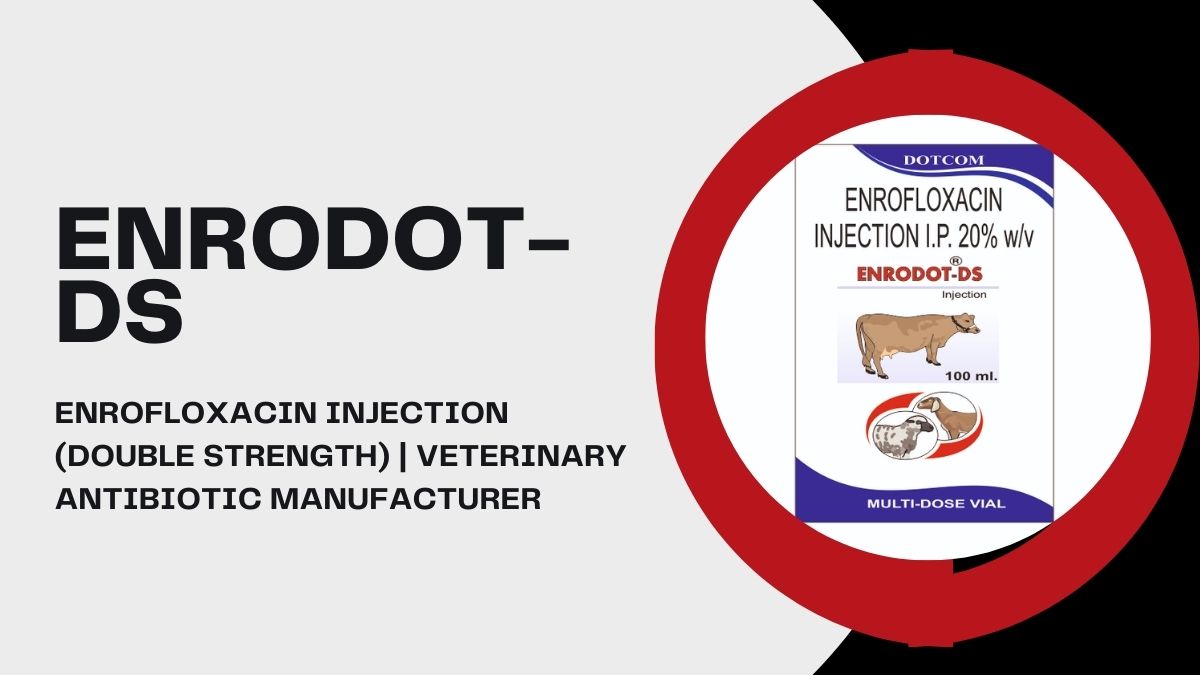
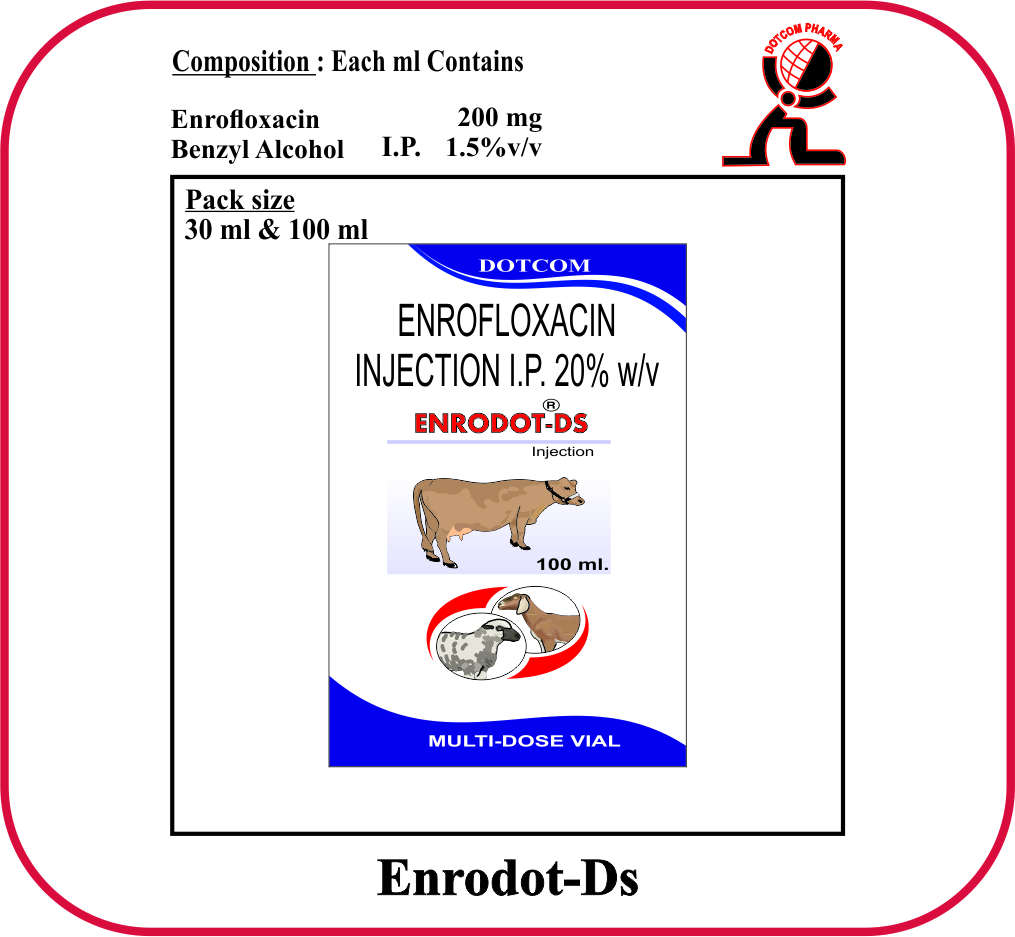
ENRODOT-DS Enrofloxacin Injection (Double Strength)
,
which is designed to deliver effective antibacterial action when used as per veterinary recommendation.
Responsible Use of Enrofloxacin in Animals
Responsible antibiotic usage is essential to maintain animal health and to reduce the risk of antimicrobial resistance. Enrofloxacin injections should only be used for bacterial infections confirmed or diagnosed by a veterinarian.
Following proper dosage schedules, withdrawal periods, and treatment guidelines ensures both animal safety and food safety in livestock production.
Conclusion
Enrofloxacin injections continue to be an important tool in veterinary medicine due to their broad-spectrum antibacterial activity and reliable clinical outcomes.
When used responsibly and under professional supervision, they help veterinarians effectively manage bacterial infections, improve recovery rates, and support overall animal health.