
Why Vets Use Calf Pullers
Veterinarians encounter many kinds of calving challenges—from an oversized calf to malpresentation or weak uterine contractions. When natural delivery stalls and time is of the essence to save both cow and calf, a calf puller provides controlled assistance.
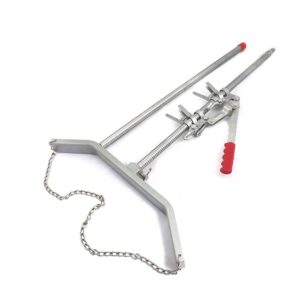
Veterinary Technique for Using a Calf Puller
-
Assessment First: The veterinarian does a thorough examination to check the calf’s position and determine if pulling is safe or if a cesarean section is needed instead. Calf pullers should never be used if the calf cannot fit through the pelvis or if there’s evidence of uterine torsion or rupture.
-
Clean and Prepare: Hygienic technique is critical. The vet scrubs their hands, the cow’s vulva, and perineal area, and sterilizes the puller and chains to minimize infection risk.
-
Proper Attachment: Chains are carefully looped above the calf’s hooves and below the fetlocks, avoiding joints, to reduce injury. The vet ensures both legs are at the pelvic inlet and the head is properly positioned.
-
Frame Placement: The main frame is set against the cow’s rump, and the chain is secured, anchoring the tool.
-
Coordinated Traction: The veterinarian applies traction in rhythm with the cow’s contractions using the puller handle. Gentle, steady pulls are key—sudden force can cause fractures or uterine trauma. The direction of force follows the curve of the birth canal.
-
Continuous Monitoring: Throughout the process, the vet assesses the calf’s progress and the cow’s wellbeing, adjusting as needed, and stopping if any complications arise.
-
Post-Delivery Care: Once the calf is delivered, the vet checks both animals for injuries and advises on supportive care or medication if needed.
Key Veterinary Tips
-
Never use brute force—a calf puller’s power is only as safe as the hands guiding it.
-
If the birth does not progress or if the cow or calf seem at risk, stop and switch to alternate interventions.
-
Training and experience are essential: Only trained professionals or supervised farm staff should use a calf puller.
The Bottom Line
For veterinarians, a calf puller is a lifesaving device in the right circumstances. Used with knowledge, care, and caution, it helps ensure safer outcomes for calves and their mothers while minimizing trauma and long-term complications. If you have cattle and want to be ready for emergencies, work closely with your veterinarian, get hands-on training, and respect both the power and limitations of this vital farm tool.Visit the Official Website:
Go to dotcompharmaindia.com for company and product details.