Embyotomy Knife With Finger Ring
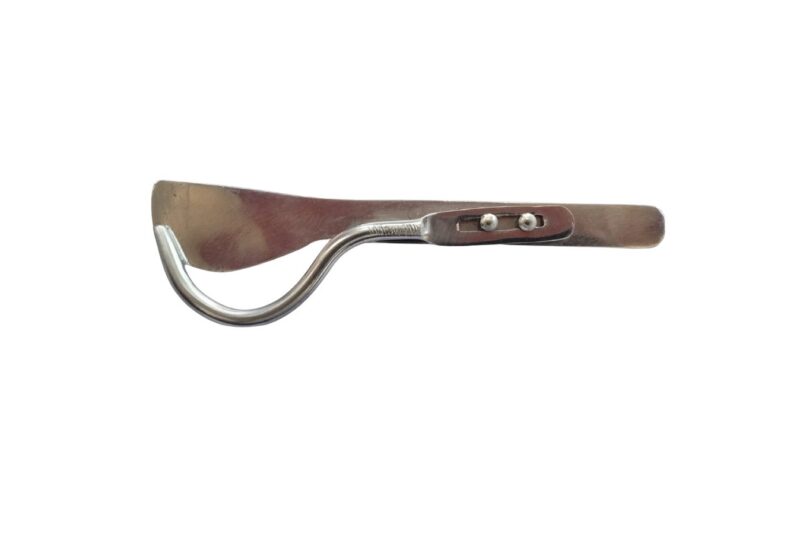
Description:- The Embryotomy Knife with Finger Ring is a precision surgical instrument designed for use in obstetric procedures, primarily during complicated deliveries where fetal dissection is required. It enables controlled and safe removal of fetal parts to facilitate delivery in situations such as dystocia or fetal demise. The integrated finger ring enhances grip and provides superior control, allowing surgeons or veterinarians to perform delicate cuts with accuracy while minimizing trauma to surrounding tissues.
Description
Embryotomy Knife with Finger Ring
Essential for performing embryotomy procedures during complicated or obstructed labour to reduce the size of the foetus for delivery. Used by obstetricians and veterinarians to safely dissect fetal parts with minimal risk of injury to the mother or surrounding tissues. Particularly crucial in cases of fetal demise or when caesarean section is contraindicated or delayed.
Specifications
- Material: Premium surgical-grade stainless steel known for its corrosion resistance, strength, and durability during repeated sterilizations.
- Blade: The blade is finely sharpened and can be straight or curved depending on manufacturer specifications, designed for precision cutting with minimal tissue damage.
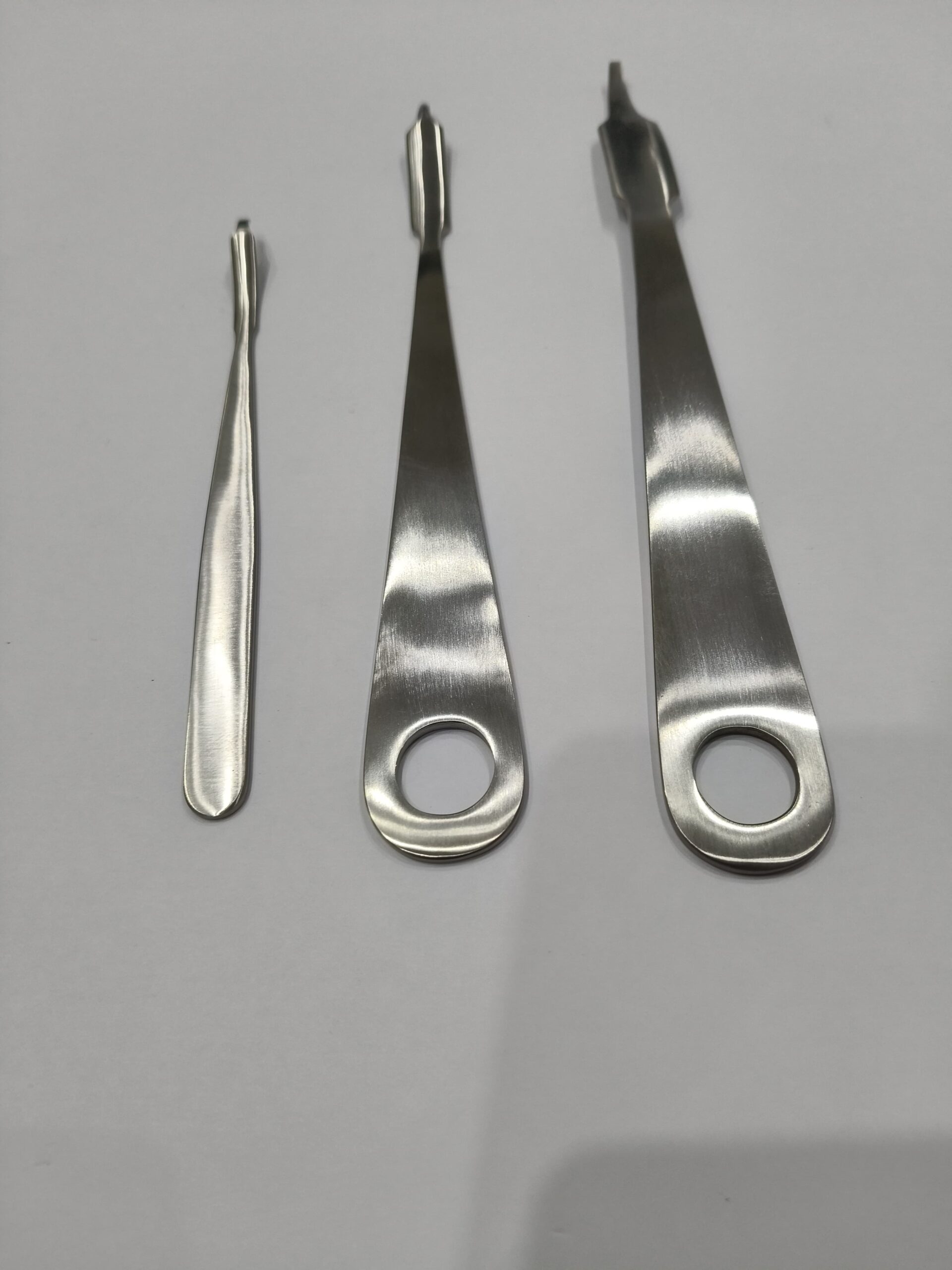
- Finger Ring: Ergonomically designed finger ring allows secure hold and fine motor control, reducing hand fatigue during lengthy procedures.
- Dimensions: Commonly measures between 15 cm to 20 cm in total length, balanced for both manoeuvrability and reach.
- Packaging: Supplied either individually with protective sheaths or included in surgical instrument trays/kits.
Types & Shapes
- Curved Blade Variant: Preferred when accessing hard-to-reach areas or performing angled cuts.
- Straight Blade Variant: Useful for straightforward incisions and controlled slicing motions.
- Finger rings come in various diameters and shapes to suit different hand sizes and surgical preferences.
Sizes
- Available in lengths from 15 cm (approximately 6 inches) to 20 cm (about 8 inches)
- Blade widths and finger ring sizes vary based on specific clinical requirements
Material
Manufactured from top-tier surgical stainless steel (typically AISI 316L), ensuring excellent resistance to oxidation and corrosion, high tensile strength, and maintaining a sharp cutting edge even after repeated sterilization cycles.
Category
Falls under obstetrical surgical instruments, utilized extensively in both human obstetrics and veterinary practices.
Product Form
A robust, one-piece surgical knife featuring a sharply honed blade and an integrated finger ring, designed for both precision and ease of use in complex delivery scenarios.
Usage
- Essential for performing embryotomy procedures during complicated or obstructed labour to reduce the size of the foetus for delivery.
- Used by obstetricians and veterinarians to safely dissect fetal parts with minimal risk of injury to the mother or surrounding tissues.
- Particularly crucial in cases of fetal demise or when caesarean section is contraindicated or delayed.
Advantages
- Enhanced Control: The finger ring provides a secure grip, enabling precise, controlled cuts.
- Durability: Made from corrosion-resistant stainless steel suitable for repeated sterilization.
- Versatility: Suitable for both human and veterinary obstetric applications.
- Safety: Designed to minimize trauma to maternal tissues during fetal dissection.
Disadvantages
- Requires expert handling due to the sharpness and precision needed.
- Potential for injury if mishandled or used by untrained personnel.
- Regular maintenance and sharpening are necessary to maintain cutting efficiency.
Precautions
- Only trained medical professionals or veterinarians should operate this instrument.
- Strict adherence to sterilization protocols to prevent infection.
- Use adequate lighting and visualization during procedures for safety.
- Always use appropriate protective gloves to prevent accidental cuts.
HS and HSN Codes
- HS Code: 9018.90 (Medical, surgical, dental or veterinary instruments — includes surgical knives)
- HSN Code: 9018 (Harmonized System Nomenclature for surgical instruments and apparatus)
Handling
- Handle with care to avoid blade damage or injury.
- Store in a secure, sterile container or sheath when not in use.
- Avoid dropping or impact to maintain blade integrity.
Sterilization Details
- Compatible with standard hospital sterilization methods including autoclaving at 121°C for 15–20 minutes.
- Can also be sterilized chemically with agents like glutaraldehyde when autoclaving is not available.
- Ensure thorough drying post-sterilization to prevent corrosion.
Human Application
Used by obstetricians during complex deliveries where fetal dissection is necessary to facilitate safe delivery and protect the health of the mother.
Veterinary Application
Frequently employed by veterinary surgeons during difficult births or caesarean sections in large animals where fetal extraction is complicated by size or position.
Frequently Asked Questions (FAQs)
Q1: What is the purpose of the finger ring on this knife?
A1: The finger ring improves grip and control, allowing for precise and safe cutting during delicate obstetrical procedures.
Q2: Is the embryotomy knife reusable?
A2: Yes, it is made of high-quality stainless steel designed to withstand multiple sterilizations and uses.
Q3: What sterilization methods are recommended?
A3: Autoclaving at 121°C for 15-20 minutes is preferred, though chemical sterilization is also acceptable.
Q4: Can this knife be used in veterinary medicine?
A4: Absolutely, it is commonly used in veterinary obstetrics for fetal dissection during complicated deliveries.
Q5: What precautions should be taken while using this instrument?
A5: It should only be used by trained professionals with strict adherence to sterilization and handling protocols to avoid injury and infection.