Stomach Pump – Large Animal
The Stomach Pump for Large Animals is a specialized medical device used to remove gastric contents, toxins, or fluids from the stomachs of large animals such as cattle, horses, and buffalo. It is
an essential tool in veterinary practice for treating bloat, poisoning, or gastrointestinal blockages. Designed for durability and efficiency, the stomach pump helps veterinarians perform gastric lavage and decompression safely and effectively.
Description
Specifications
- Material: High-grade stainless steel pump components combined with food-grade rubber or silicone tubing.
- Length: Tubing length typically ranges from 6 to 10 feet (180–300 cm) to comfortably reach the stomach of large animals.
- Diameter: Large bore tubing designed for rapid flow and efficient suction.
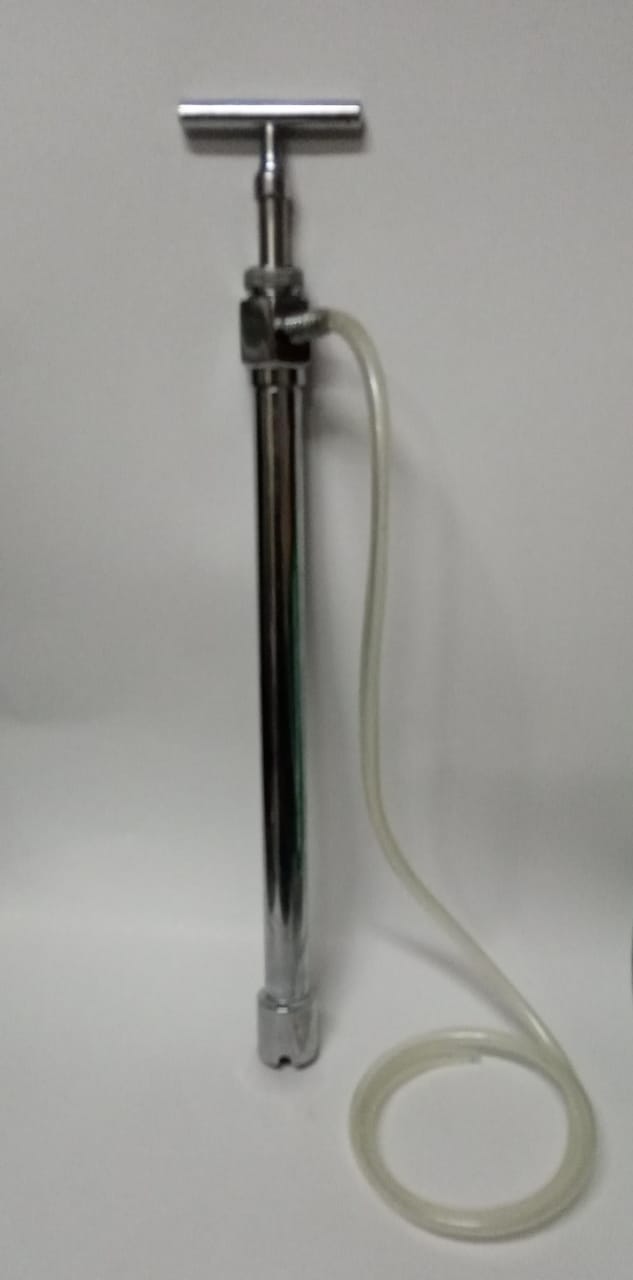
- Components: Includes a hand-operated pump or suction bulb, non-return valve, and reinforced flexible tubing.
- Weight: Lightweight yet robust construction for easy handling during field operations.
Sizes
- Standard Large Animal Size: Suitable for cattle, horses, and buffalo.
- Extended Tubing Variant: Available for animals requiring deeper gastric access.
Components
- Manual Pump: Hand-operated pump or suction bulb for controlled gastric decompression.
- Non-Return Valve: Prevents backflow of gastric contents during operation.
- Reinforced Tubing: Flexible, kink-resistant tubing for smooth insertion and flow.
Types
- Manual Stomach Pump: Operated without electricity, ideal for field and emergency use.
- Detachable Tubing Model: Allows easy cleaning, replacement, and sterilization.
Material
- Stainless Steel: Ensures corrosion resistance, durability, and long service life.
- Food-Grade Rubber / Silicone Tubing: Flexible, non-toxic, and resistant to kinking.
Category
- Veterinary Medical Equipment
- Large Animal Surgery & Treatment Instruments
- Gastrointestinal Treatment Devices
Product Form
- Manual Stomach Pump: Supplied with detachable tubing for ease of use and maintenance.
- Sterile / Non-Sterile: Usually supplied in sterilized or non-sterile packaging depending on application.
Usage
- Gastric Decompression: Removes accumulated gases from the stomach to relieve bloat.
- Toxin Removal: Helps eliminate poisonous substances in cases of ingestion.
- Fluid Removal: Used to evacuate excess fluids from the stomach.
- Gastric Lavage: Facilitates stomach washing during emergency and routine veterinary procedures.
Advantages
- Effective Decompression: Enables rapid relief from gastric pressure in large animals.
- Durable Construction: Suitable for rugged field and farm use.
- No Power Required: Fully manual operation, ideal for remote locations.
- Reusable: Can be reused safely with proper cleaning and sterilization.
Disadvantages
- Manual Effort: Requires physical effort during operation.
- Training Required: Improper use may cause injury if not handled correctly.
- Cleaning Needed: Requires thorough cleaning after every use.
Precautions
- Correct Tube Placement: Ensure proper insertion to avoid oesophageal or tracheal injury.
- Gentle Suction: Avoid excessive pressure to prevent damage to the stomach lining.
- Sterilization: Clean and sterilize after each use to prevent infection.
Handling
- Disassembly: Separate pump and tubing before cleaning.
- Safe Storage: Store in a clean, dry environment to maintain hygiene.
- Regular Inspection: Check tubing and valves for wear or blockage.
Sterilization Details
- Autoclaving: Stainless steel components can be autoclaved safely.
- Chemical Sterilization: Suitable for tubing using approved veterinary disinfectants.
- Drying: Ensure all parts are fully dried before storage.
Veterinary Application
- Large Animal Use: Designed for cattle, horses, and buffalo.
- Emergency Care: Essential for treating bloat, poisoning, and gastric impaction.
Human Application
- Not Applicable: Not intended for human medical use due to size and design.
HS/HSN Code
- HS Code: 9018.90
- HSN Code: 9018
FAQs
Q1: What is the main purpose of the stomach pump for large animals?
A: It is used to remove gases, fluids, and toxins from the stomach to treat conditions such as bloat and poisoning.
Q2: Is the stomach pump reusable?
A: Yes, it is reusable after proper cleaning and sterilization.
Q3: How is the stomach pump operated?
A: It is manually operated using a hand pump or suction bulb.
Q4: Can this pump be used for small animals or humans?
A: No, it is specifically designed for large animals only.
Q5: What precautions should be taken during use?
A: Proper tube placement, gentle suction, and thorough sterilization are essential to avoid injury or infection.