🔹 Introduction
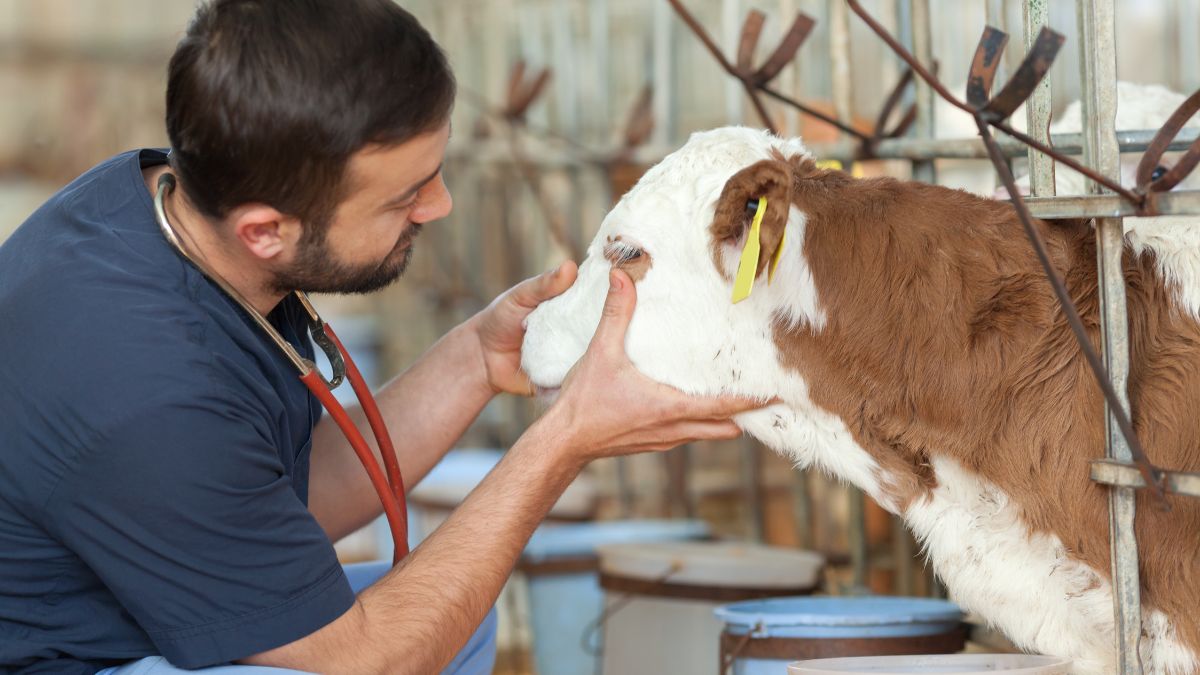
Veterinary medicines play a vital role in protecting animal health and improving productivity in livestock and companion animals. Whether it is dairy farming, poultry management, or pet healthcare, proper veterinary treatment ensures disease control, faster recovery, and long-term animal well-being. With increasing awareness about animal health and food safety, the demand for quality veterinary medicines has grown significantly.
🔹 What Are Veterinary Medicines?
Veterinary medicines are pharmaceutical products specifically developed for animals to prevent, diagnose, and treat diseases. These medicines are formulated keeping animal physiology, metabolism, and dosage requirements in mind, making them safe and effective when used under veterinary guidance.
Veterinary medicines are commonly used in:
-
Cattle and dairy farms
-
Poultry farms
-
Sheep and goat farming
-
Companion animals like dogs and cats
🔹 Importance of Veterinary Medicines
Healthy animals are essential for sustainable farming and economic growth. Veterinary medicines help control infectious diseases, manage parasitic infestations, and support proper growth and reproduction. Without timely veterinary treatment, animals may suffer from reduced productivity, chronic illness, or even mortality.
Using the right veterinary medicines at the right time helps farmers and veterinarians:
-
Prevent disease outbreaks
-
Reduce financial losses
-
Maintain animal welfare standards
🔹 Types of Veterinary Medicines
Veterinary medicines are categorized based on their function and usage:
✔ Antibiotics
Used to treat bacterial infections such as mastitis, pneumonia, metritis, wound infections, and septicemia. Antibiotics are essential in managing acute and chronic infections in livestock.
✔ Antiparasitic Medicines
These medicines control internal parasites like roundworms, tapeworms, and flukes, as well as external parasites such as ticks, mites, lice, and flies.
✔ Vitamins & Nutritional Supplements
Vitamins and mineral supplements support immunity, growth, reproduction, and recovery from illness or stress.
✔ Anti-Inflammatory & Pain Management Drugs
Used to reduce inflammation, fever, and pain caused by injuries, infections, or surgical procedures.
✔ Reproductive & Hormonal Medicines
Help manage fertility issues, pregnancy-related disorders, retained placenta, and reproductive infections.
🔹 Uses of Veterinary Medicines
Veterinary medicines are widely used for:
-
Treatment of infectious and non-infectious diseases
-
Improving milk, meat, and egg production
-
Supporting reproductive performance
-
Enhancing immunity and stress resistance
-
Faster recovery after illness or surgery
🔹 Benefits of Using Quality Veterinary Medicines
Using high-quality veterinary pharmaceutical products offers multiple benefits:
-
✅ Improved animal health and lifespan
-
✅ Better productivity and performance
-
✅ Reduced disease recurrence
-
✅ Improved farm profitability
-
✅ Safer animal-derived food products
🔹 Role of Veterinary Medicines in Modern Farming
Modern farming practices depend heavily on preventive and therapeutic veterinary care. Regular use of veterinary medicines under professional supervision ensures healthy herds, consistent production, and compliance with animal welfare standards.
Veterinary medicines also help reduce the spread of zoonotic diseases, protecting both animals and humans.
🔹 Responsible Use of Veterinary Medicines
To achieve the best results, veterinary medicines should always be used as prescribed by a qualified veterinarian. Responsible usage helps prevent drug resistance, ensures animal safety, and maintains long-term effectiveness of treatments.
🔹 Conclusion
Veterinary medicines are the foundation of animal healthcare and modern livestock management. From disease prevention to productivity enhancement, these medicines play a crucial role in ensuring healthy animals and sustainable farming. Choosing reliable veterinary products and following proper treatment protocols leads to better outcomes for animals, farmers, and veterinarians alike.